What are Medical Syringes Made of for Global Buyers?

Time:2026-06-01 Author:Oliver
0%

When considering medical syringes, one might wonder what are medical syringes made of. Understanding the components can provide crucial insights for global buyers. Syringes are not merely tools; they are essential in healthcare. They play a significant role in administering medications and vaccines.

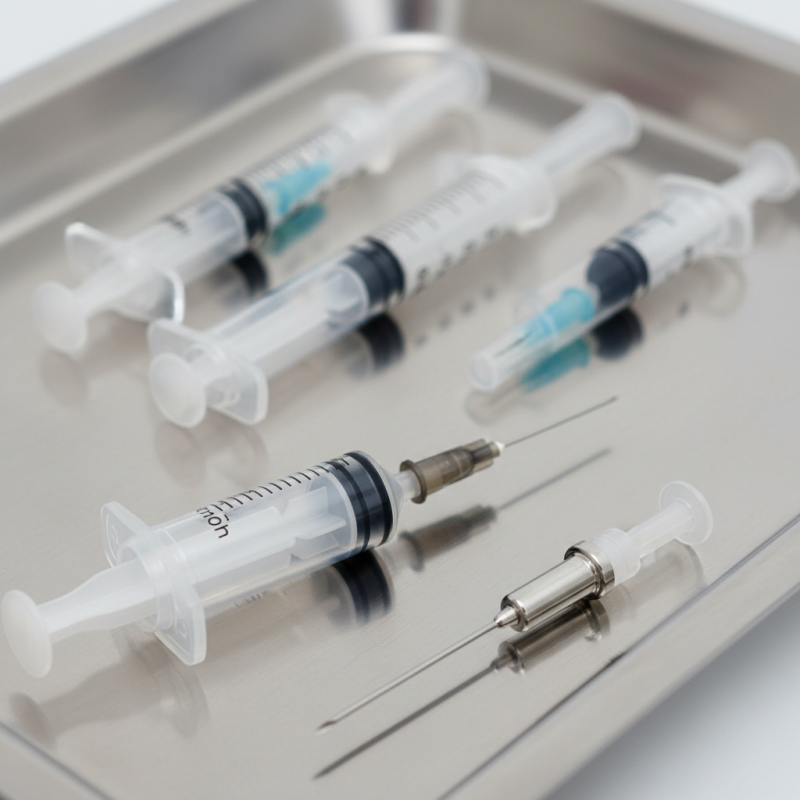
Typically, medical syringes are composed of plastics like polypropylene or polystyrene. These materials ensure sterility, safety, and durability. The choice of materials directly influences the syringe's performance. Needles are often made of stainless steel, ensuring sharpness and resistance to breakage. However, variations exist in quality and specifications. It is essential to assess the reliability of manufacturers. Not all syringes meet the same standards.

In exploring what are medical syringes made of, buyers must also evaluate potential shortcomings. Some syringes may not deliver the required precision. Others might struggle with compatibility across various medicines. Addressing these issues is key for ensuring the effectiveness of treatments. Therefore, understanding the materials is not just academic; it is a practical necessity.
What are Medical Syringes Made of for Global Buyers?

Composition of Medical Syringes: An Overview

Medical syringes play a crucial role in healthcare. Understanding their composition helps global buyers make informed decisions. Typically, syringes are made of plastic, rubber, and glass. The choice of materials can impact safety and effectiveness. Medical-grade plastics are often used due to their flexibility and strength.

Polypropylene is the most common plastic used for syringe barrels. It provides transparency and resistance to chemicals. The plunger and gasket are often made from rubber or silicone, ensuring a tight seal. These materials allow for smooth operation. Glass syringes, though less common, are used in specific situations. They provide an inert environment, which is important for certain medications.

Despite their effectiveness, issues arise during production. Quality control can be inconsistent. Variations in material quality might affect performance. Buyers should consider standard certifications for assurance. Understanding these nuances can guide the purchasing process. A focus on reliable suppliers can mitigate risks associated with inferior products.

Types of Materials Used in Medical Syringe Manufacturing

When discussing the materials used in medical syringe production, several key options emerge. The most common material is plastics, specifically polypropylene and polycarbonate. These materials offer good strength and are lightweight. They are easily molded, making them ideal for mass production.

Glass syringes are another option. They are reusable and can be sterilized repeatedly. However, glass can break and is heavier than plastic. The choice of material directly affects usability and safety. Each material serves different applications based on its properties.

Tips: Always inspect syringes for defects before use. This ensures safety and reliability. Consider the type of medication and its compatibility with the material chosen. Not all medications are suitable for every syringe type. Understanding these factors can guide your purchasing decisions. Make informed choices to enhance patient care.

Impact of Material Selection on Syringe Safety and Efficacy

When selecting materials for medical syringes, safety and efficacy are paramount. The choice of polymers, glass, or metals affects not only the physical properties of the syringe but also its interaction with medications and the patient's body. For example, certain plastics may leach chemicals. This can lead to contamination, affecting patient outcomes.

It is crucial to ensure that materials are inert. They should not react with the medication inside. Safety tests and quality assurance measures are important during production. A small oversight can result in serious complications. Therefore, understanding the properties of each material is essential for healthcare professionals.

Tips for selecting syringes include researching the material used. Check for certifications that confirm the safety and compatibility of components. Look for syringes with clear labeling regarding their material and intended use. Choosing the right syringe is a significant factor in patient care. It requires an informed approach to ensure safety and effectiveness in treatments.

Environmental Considerations in Syringe Production Materials

The production of medical syringes involves various materials. Commonly used materials include plastics and rubber. However, the environmental impact of these materials is significant and warrants attention.

Most syringes are made from polypropylene or polycarbonate. These plastics are convenient but not biodegradable. They contribute to long-term waste in landfills. The production processes of these materials also release harmful emissions. Recyclability is a major concern. Many health facilities lack proper recycling programs. This leads to an accumulation of medical waste.

Some manufacturers are exploring eco-friendly alternatives. Biodegradable plastics and renewable resources are under consideration. However, these materials may not always meet strict safety standards. Striking a balance between safety and sustainability remains a challenge. Continued innovation is crucial to reduce the ecological footprint of syringe production.

Regulatory Standards Governing Medical Syringe Materials

When considering the materials in medical syringes, regulatory standards are paramount. These standards ensure the safety and efficacy of the syringes in various healthcare settings. Agencies like the FDA and ISO play vital roles. They outline stringent requirements for materials used in syringe production.

Manufacturers must choose materials that are biocompatible and resistant to chemical interactions. For example, polypropylene is commonly used for barrel construction. It's durable and easy to sterilize. Meanwhile, silicone is often used in rubber stoppers, ensuring a proper seal. However, the challenge lies in maintaining consistency. Slight variations in production can lead to safety concerns. This requires ongoing testing and validation.

Additionally, as the healthcare landscape evolves, regulatory requirements may change. Manufacturers need to stay informed about updates. New materials may emerge, offering improved performance or sustainability. Yet, adapting to these changes can be complex. Balancing cost, safety, and regulatory compliance is not always straightforward, and manufacturers must continuously evaluate their practices.

Material Composition of Medical Syringes

This chart illustrates the composition of materials used in medical syringes, highlighting the common components and their respective percentages in production.

FAQS

: What materials are commonly used in medical syringes?

: Medical syringes are typically made from plastic, rubber, and glass.

Why is polypropylene a popular choice for syringe barrels?

Polypropylene provides transparency and chemical resistance, making it ideal for syringe barrels.

What issues can arise during syringe production?

Inconsistent quality control can lead to variations in material quality, affecting performance.

What is a concern regarding syringe disposal?

Most syringes are not biodegradable, contributing to long-term landfill waste.

Are there environmentally friendly alternatives for syringes?

Companies are exploring biodegradable plastics, but they may not meet all safety standards.

How do regulatory standards impact syringe manufacturing?

Regulatory standards ensure safety and efficacy, requiring biocompatible materials.

What role do certifications play for buyers?

Certifications provide assurance of quality, guiding decisions for purchasing syringes.

How can healthcare facilities mitigate medical waste?

Implementing recycling programs can help reduce the accumulation of medical waste.

What challenge do manufacturers face with new materials?

Adapting to regulatory changes and maintaining safety, cost, and compliance is complex.

Why is ongoing testing important in syringe production?

Ongoing testing ensures consistency and addresses potential safety concerns from production variations.

Conclusion

Medical syringes are primarily composed of various materials that ensure their safety, efficacy, and performance in healthcare settings. In addressing the question of "what are medical syringes made of," it is crucial to understand the different types of materials utilized, which typically include plastics such as polypropylene and polycarbonate, as well as rubber for seals. The selection of these materials significantly affects the syringe's reliability and patient safety, impacting factors like sterility and compatibility with medications.

Environmental considerations are also paramount in the production of medical syringes, with manufacturers increasingly opting for sustainable materials and practices. Adhering to regulatory standards ensures that the materials used meet stringent safety requirements, thereby safeguarding public health. Overall, the intricate balance between material choice, safety, and environmental impact defines the manufacturing process of medical syringes.

Oliver

Oliver

Oliver is a seasoned marketing professional with a wealth of expertise in driving brand awareness and engagement. With a deep understanding of our company's product offerings, he consistently delivers high-quality content that enriches our professional blog. His insights not only shed light on......