How are Disposable Medical Syringes Used in Health Care?

Time:2026-05-29 Author:Amelia
0%

In the realm of health care, the use of disposable medical syringes is pivotal. Renowned expert Dr. Emily Hart, a seasoned professional in clinical practices, emphasizes, "The safe use of disposable syringes can greatly reduce the risk of infections." This statement highlights their importance in patient care.

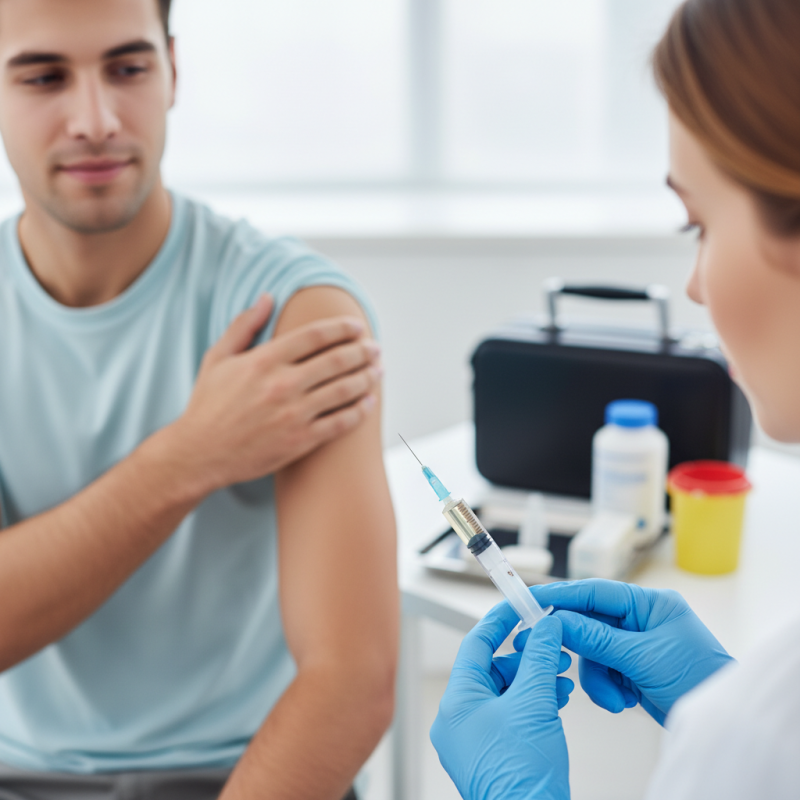
How are disposable medical syringes used? These syringes serve multiple purposes, from administering vaccinations to drawing blood. Each usage is designed with patient safety in mind. The syringes, made for single use, prevent cross-contamination and protect health workers. Their design ensures that every patient receives sterile care.

However, concerns do arise. Some may question the environmental impact of single-use products. Despite their necessity, an ongoing dialogue about sustainability is essential. Health care providers must balance immediate patient needs with long-term ecological responsibilities. As we navigate these issues, understanding how disposable medical syringes are used in health care remains crucial.
How are Disposable Medical Syringes Used in Health Care?

Usage of Disposable Medical Syringes in Patient Care Settings

Disposable medical syringes play a crucial role in patient care settings. They are primarily used for administering medications and vaccines safely. According to a report from the World Health Organization, approximately 16 billion injections are given globally each year. This staggering number highlights how essential syringes are in healthcare.

In hospitals and clinics, these syringes ensure precise dosages. Each syringe is single-use, minimizing the risk of cross-contamination. The Centers for Disease Control and Prevention states that using disposable syringes reduces the incidence of infections. However, improper disposal remains a challenge. Many facilities struggle with safe disposal methods, leading to potential environmental hazards.

Healthcare professionals must remain vigilant. While disposable syringes improve patient safety, they also contribute to medical waste. In 2018, it was estimated that medical waste, including syringes, accounted for over 20 million tons annually. This raises questions about sustainability. It is essential to reflect on the balance between patient safety and environmental impact in using disposable medical devices.

Types of Disposable Medical Syringes and Their Applications in Health Care

Disposable medical syringes play a crucial role in health care. They are designed for single use, reducing the risk of cross-contamination and infection. Various types of syringes are suited for different applications. Syringes come in different sizes, typically measured in milliliters (mL). Smaller syringes are ideal for administering vaccines, while larger ones are used for drawing blood.

One common type is the Luer lock syringe. This syringe has a secure connection for needles, preventing leakage during use. Another variant is the insulin syringe, specifically designed for diabetic patients. It features a fine gauge for accurate dosages. Moreover, barrel syringes, with their simple design, are often used for flushing wounds or administering liquid medications.

Tips: Always check the expiration date on syringes before use. Incorrect storage can affect their reliability. When drawing medication, ensure you use the correct syringe size to avoid errors. It is crucial to follow proper disposal procedures after use. Inadequate disposal can lead to environmental hazards and potential health risks. Even with high standards, it's essential to remain vigilant and aware of the protocols in your facility.

Volume and Gauge Specifications: Choosing the Right Syringe for Procedures

When selecting a disposable medical syringe, volume and gauge are essential factors. Syringes are available in various sizes, typically ranging from 0.5 mL to 60 mL. The volume directly impacts the amount of medication delivered. Healthcare professionals often choose syringes based on the required dosage. For example, smaller volumes are ideal for injections, while larger ones suit feeding or intravenous use. According to the CDC, improper dosage can lead to adverse effects.

The gauge refers to the needle's diameter. A lower gauge number indicates a thicker needle. For vaccinations or drawing blood, a 21-gauge needle may be used. In contrast, for delicate tasks, like pediatric injections, a 25-gauge needle is more appropriate. Choosing the correct gauge is crucial. Using a needle that's too thick can cause discomfort. Conversely, a needle that's too thin may not draw blood efficiently.

Tips: Always double-check syringe specifications before use. Educate patients on what to expect. Ensure sterility at all times to prevent infections. Each decision in the healthcare setting matters greatly. Learn from past practices and improve your technique. Understanding these details demonstrates professionalism and enhances patient trust.

Safety Protocols for Disposal of Used Medical Syringes in Healthcare

Proper disposal of used medical syringes is crucial in healthcare settings. According to the World Health Organization (WHO), improper disposal can expose staff and patients to health risks, including needlestick injuries and infections. A significant percentage of healthcare-associated infections can be traced back to unsafe syringe disposal practices. Thus, having effective protocols in place is essential to maintain a safe environment.

Tips for disposal include using designated sharps containers. These containers should be puncture-proof and labeled clearly. They should be securely closed when filled to the designated mark. Healthcare facilities must provide regular training to staff about safe disposal practices. This ensures adherence to protocols and reduces the likelihood of accidents. Continuous monitoring of disposal methods can improve safety and compliance.

It's important to reflect on the challenges that healthcare providers face. Often, staff may overlook proper disposal due to heavy workloads. In some cases, facilities may run low on disposal containers, leading to unsafe practices. Regular audits can identify these issues and ensure adherence to safety protocols. Ultimately, creating a culture of safety is vital for effective syringe disposal.

How are Disposable Medical Syringes Used in Health Care? - Safety Protocols for Disposal of Used Medical Syringes in Healthcare

Purpose Examples of Use Safety Protocols Disposal Methods
Vaccination Administering vaccines for diseases such as flu, COVID-19 Use gloves; ensure syringes are single-use only Sharps container disposal
Medication Delivery Injecting insulin, anesthesia, or other medications Avoid needle recapping; dispose immediately after use Biohazard waste disposal
Blood Sample Collection Drawing blood for testing in laboratories Follow infection control guidelines; use sterile equipment Designated medical waste containers
Infusion Therapy Delivering fluids and nutrients intravenously Monitor site for infections; use aseptic technique Evacuated via specialized disposal units

Impact of Disposable Syringes on Infection Control and Patient Outcomes

Disposable medical syringes play a crucial role in healthcare. Their impact on infection control is significant. According to a study published in the Journal of Hospital Infection, the use of disposable syringes can reduce the incidence of hospital-acquired infections by up to 30%. This reduction is vital in settings where patients are vulnerable, such as during surgeries or when receiving immunizations.

Another report from the World Health Organization emphasizes the importance of safe injection practices. Inappropriate reuse of syringes is a leading cause of needle-stick injuries. Such injuries can transmit bloodborne pathogens, including hepatitis and HIV. Evidence suggests that using disposable syringes not only protects healthcare workers but also ensures patient safety. Regular training on syringe disposal is essential, yet many healthcare facilities struggle with compliance.

Despite these advances, challenges remain. There are issues related to waste management and environmental considerations. The sheer volume of disposable syringes used annually contributes to medical waste, prompting calls for more sustainable practices. As healthcare evolves, continuous evaluation of syringe use is necessary for improving patient outcomes. Balancing safety, efficacy, and environmental responsibilities remains a critical discussion in the field.

Impact of Disposable Syringes on Infection Control and Patient Outcomes

FAQS

: Why are disposable medical syringes important in healthcare?

: They ensure safe administration of medications and vaccines, reducing infection risk significantly.

How many injections are given yearly globally?

Approximately 16 billion injections are administered each year worldwide.

What is a major challenge with disposable syringes?

Improper disposal can lead to environmental hazards and health risks.

How do disposable syringes impact medical waste?

They contribute significantly to medical waste, estimated at over 20 million tons annually.

What protocols should be followed for syringe disposal?

Use designated, puncture-proof sharps containers and securely close them when full.

Why is staff training important in syringe disposal?

Regular training helps ensure adherence to safe disposal practices and reduces accidents.

What negative impacts can arise from neglecting disposal protocols?

Ignoring protocols can lead to needlestick injuries and healthcare-associated infections.

How can healthcare facilities improve disposal practices?

Conduct regular audits and monitor disposal methods to identify and address issues.

What often hinders proper syringe disposal in healthcare settings?

Heavy workloads can cause staff to overlook disposal protocols and container shortages.

Why must healthcare providers reflect on their disposal practices?

Recognizing weaknesses helps create a culture of safety and improves health outcomes.

Conclusion

Disposable medical syringes play a crucial role in patient care settings by ensuring safe and efficient administration of medications, vaccinations, and other therapeutic fluids. Understanding how disposable medical syringes are used involves recognizing their various types and applications across healthcare environments, from hospitals to outpatient clinics. Different volume and gauge specifications help healthcare professionals select the appropriate syringe for specific procedures, enhancing effectiveness while minimizing patient discomfort.

Safety protocols for the disposal of used medical syringes are essential to prevent needle-stick injuries and contamination, thereby safeguarding both healthcare workers and patients. The widespread adoption of disposable syringes significantly impacts infection control, as they reduce the risk of cross-contamination and improve overall patient outcomes. This article highlights the importance of these practices in promoting a safe and hygienic healthcare environment.

Amelia

Amelia

Amelia is a seasoned marketing professional with a wealth of expertise in our company’s core offerings. With an unwavering passion for driving growth and innovation, she plays a pivotal role in shaping our marketing strategies and enhancing brand visibility. A key aspect of her responsibilities......