High-precision medical consumables engineered for clinical safety, reliability, and global regulatory compliance.
The global syringe market is undergoing a structural paradigm shift driven by technological innovations, tightening regulatory guidelines, and a growing emphasis on infection control. According to recent healthcare logistics analyses, the global market for disposable and safety syringes is projected to exceed USD 25 billion by 2030, progressing at a compound annual growth rate (CAGR) of 6.5%. Key growth drivers include the rise of chronic diseases requiring self-administration (such as diabetes), the expansion of immunization campaigns in emerging economies, and the rapid clinical adoption of pre-filled systems that mitigate diagnostic and dosing errors.
Simultaneously, the healthcare industry is placing strict operational demands on manufacturers to reduce needle-stick injuries (NSIs) and eliminate cross-contamination. This has resulted in a transition from traditional two-part syringes to safety-engineered three-part syringes equipped with passive or active retraction mechanisms. Importers and medical institutions globally are prioritizing procurement strategies that emphasize high quality, biocompatible materials, and supply chain continuity, positioning Chinese medical manufacturing hubs at the center of the global medical consumables network.
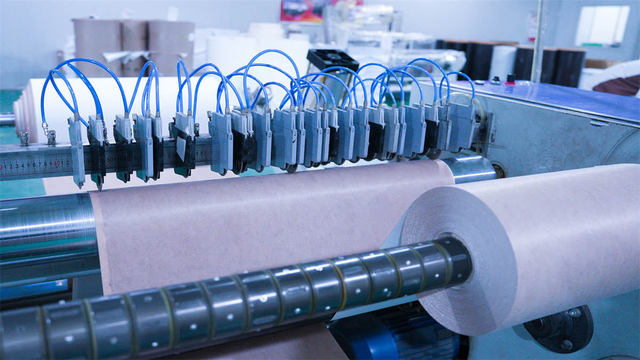
China has transitioned from a volume-centric manufacturing base to a hub of high-precision medical engineering. The integration of advanced polymer sciences and automated assembly lines has allowed Chinese manufacturers to meet the stringent demands of international markets. Zhejiang and Jiangsu provinces stand out as the premier clusters for medical-grade plastic injection molding, sterile processing, and high-frequency stainless steel needle fabrication.
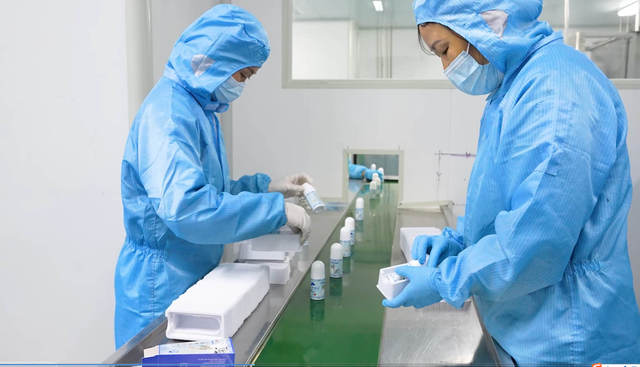
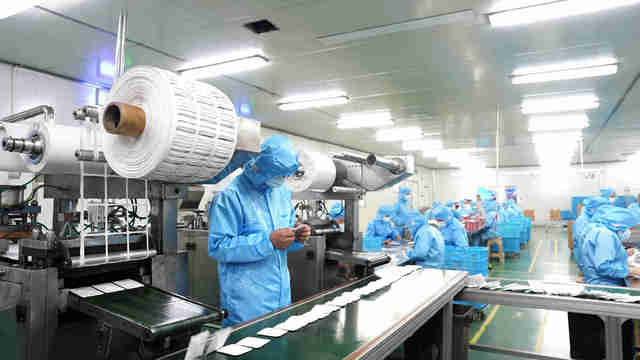
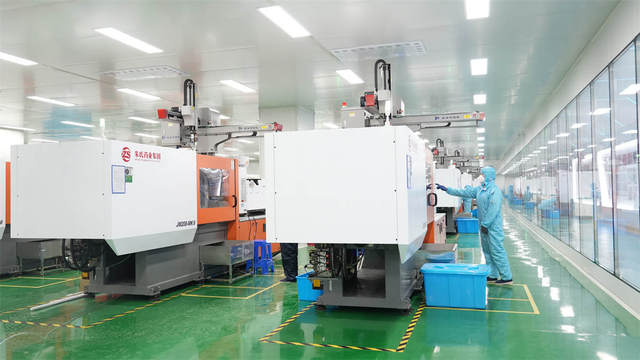
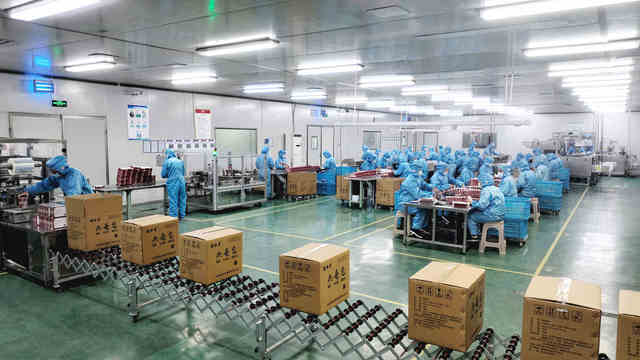
The production process in these high-tier facilities is governed by ISO Class 8 (Class 100,000) cleanroom protocols. Automation has largely replaced manual assembly, significantly reducing risk parameters associated with particulate contamination and human error. Raw material sourcing is another critical factor; top-tier manufacturers exclusively utilize medical-grade polypropylene (PP) that features high clarity, chemical inertness, and compliance with USP Class VI requirements. This guarantees that the syringe barrel will not interact with or degrade the fluid medications contained within, safeguarding clinical integrity.
"Precision medical engineering requires absolute consistency. A tolerance variation of even 0.05mm in the syringe hub can result in medication leakage, needle decoupling, or incorrect dosage delivery. The modern Chinese syringe manufacturing sector is built on mitigating these exact variables."
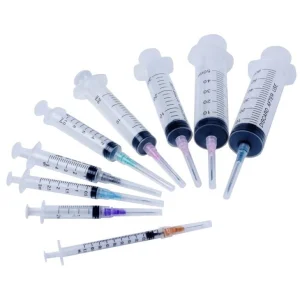
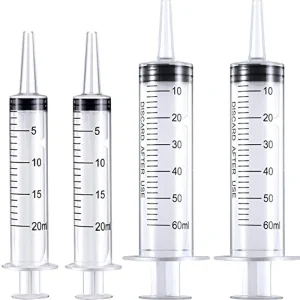
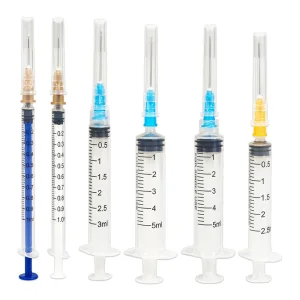
Understanding the distinction between various syringe interfaces is crucial for procurement officers mapping out clinical requirements. Syringes are broadly categorized by their nozzle configurations, plunger materials, and specific healthcare purposes:
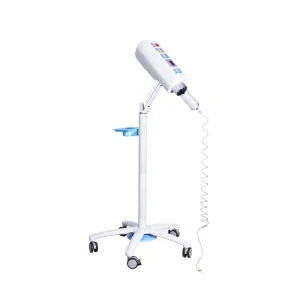
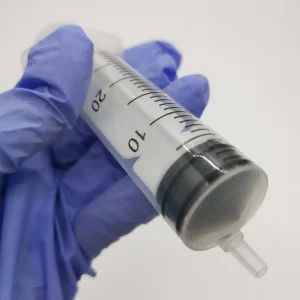
Features a threaded tip that securely locks the needle hub onto the syringe. Critical for high-pressure injection scenarios (e.g., CT/MRI contrast systems) and when administering high-viscosity medications where needle slippage cannot be tolerated.
Utilizes a friction-fit design that allows rapid push-on and pull-off needle attachment. Highly efficient for routine immunizations, blood draws, and low-pressure clinical procedures where speed of change is prioritized.
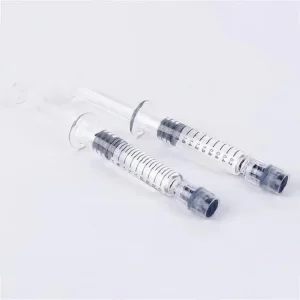
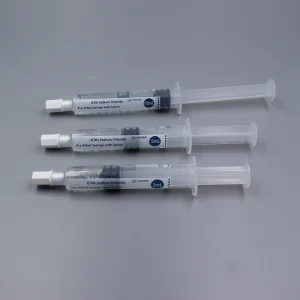
Prefilled with 0.9% NaCl (Normal Saline) or heparin to maintain IV line patency. These systems eliminate the need for manual saline drawing, thereby decreasing preparation time, minimizing contamination risks, and supporting clinical workflow standardization.
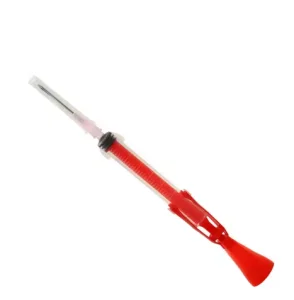
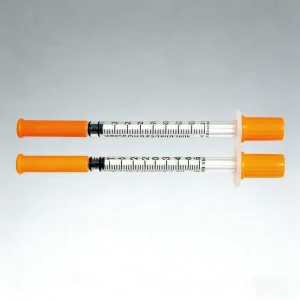
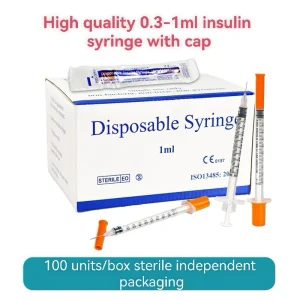
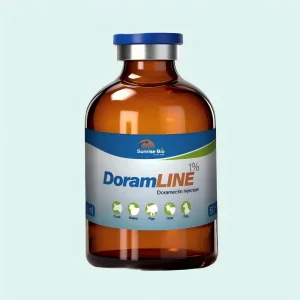
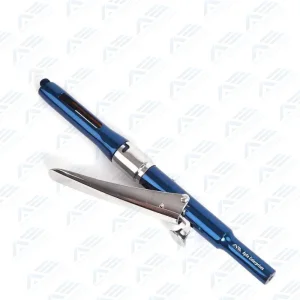
For specialized applications, such as veterinary care or diabetic insulin management, needle gauge and length geometry are meticulously calibrated. Insulin syringes require ultra-fine needles, typically 29G, 30G, or 31G, with bevel structures designed to minimize patient discomfort. Conversely, veterinary models require larger, highly durable needles to penetrate thick animal hide without bending or snapping. Additionally, veterinary long-distance injection devices allow for remote dosing in livestock management, ensuring safety for both animals and handlers.
For medical device distribution, compliance is the ultimate benchmark of authority and reliability. Hangzhou JZCare Medical Co., Ltd. demonstrates a commitment to quality by keeping its production framework aligned with demanding regulatory requirements. The manufacturing sites operate under ISO 13485:2016 quality management systems, which are specific to the medical device industry.
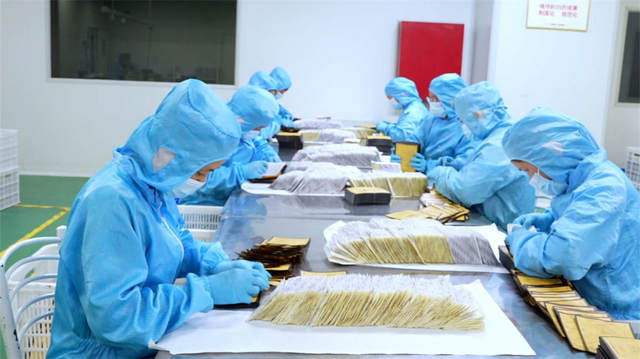
Furthermore, exporting to the European Union requires alignment with the rigorous Medical Device Regulation (MDR EU 2017/745), which demands enhanced traceability, clinical evaluation, and post-market surveillance compared to the legacy MDD framework. Products destined for North America undergo thorough testing to satisfy FDA 510(k) clearances, verifying their substantial equivalence to predicate devices. Each batch of disposable syringes undergoes automated visual inspections to confirm graduation alignment, barrel clarity, and plunger seal integrity, followed by Ethylene Oxide (EO) sterilization validation to guarantee sterility assurance levels (SAL) of 10-6.
High-performance syringes are designed to address the specific needs of diverse clinical and field environments. By recognizing these practical requirements, procurement teams can select tools that are optimized for their intended environments:
Looking toward the next decade, the medical consumables sector is shifting toward sustainability, smart systems, and advanced biosecurity. Key technological milestones in our ongoing research and development pipeline include:
Developing bio-based, recyclable polymers that reduce the carbon footprint of medical waste without compromising sterilization compatibility or biocompatibility.
Embedding miniature RFID micro-tags on pre-filled syringes to enable real-time tracking, medication verification, and simplified inventory management in hospitals.
Utilizing micro-dosing systems for medical-grade silicone oil to achieve smooth plunger movement while keeping particulate counts low, satisfying requirements for ultra-sensitive protein therapeutics.
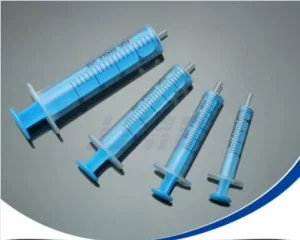
A 3-part syringe features a rubber plunger tip (elastomeric gasket) at the end of the plunger, which provides a tight seal and smooth gliding action. This minimizes the risk of bypass leakage during injection. A 2-part syringe relies on the mechanical fit of a plastic plunger against a plastic barrel, which can sometimes result in higher friction or minor fluid bypass, although they are highly cost-effective and contain no rubber allergens.
Pre-filled saline flush syringes (0.9% NaCl) reduce preparation steps, minimizing the risk of contamination associated with drawing solution from bulk vials. They also help prevent medication errors, save time in critical care environments, and standardize protocols across healthcare institutions.
Hangzhou JZCare Medical maintains compliance by operating under ISO 13485:2016 quality management systems and ensuring all technical documentation, clinical evaluations, and post-market surveillance align with Regulation (EU) 2017/745 (MDR). This facilitates CE certification through recognized Notified Bodies.
Yes. We offer extensive OEM/ODM support, including custom barrel branding, graduation scale modifications, specialized tip configurations (e.g., curved dental tips), and tailored veterinary formulations such as long-distance injection mechanisms.
We primarily use Ethylene Oxide (EO) sterilization, validated under ISO 11135 guidelines, which leaves minimal residual levels while ensuring a Sterility Assurance Level (SAL) of 10-6. For specific materials, Gamma irradiation is also available depending on product specifications.
Our sterile medical syringes typically have a validated shelf life of 5 years from the date of manufacture, provided they are stored in dry, cool conditions away from direct sunlight and that the primary blister packaging remains undamaged.
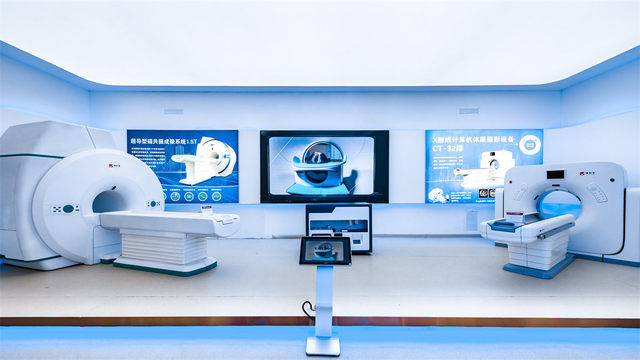
Established in 2011 in Hangzhou, China, Hangzhou JZCare Medical Co., Ltd. is a specialized manufacturer of medical consumables. The company focuses on disposable medical syringes, sterile injection devices, and a range of high-quality healthcare disposable products for global markets. Our operations integrate research and development, precision injection molding, automated assembly, sterilization processing, and comprehensive OEM/ODM services.
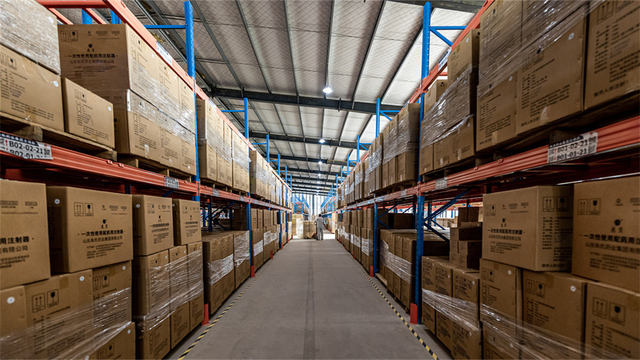
JZCare operates a manufacturing facility covering approximately 26,000 square meters and employs over 300 personnel, including experienced engineers, quality control inspectors, and production specialists. The facility features modern cleanrooms, fully automated assembly lines, and strict quality control protocols to support product safety, consistency, and compliance with international medical standards. With an annual production capacity exceeding 1.5 billion units of disposable medical consumables, JZCare supplies hospitals, clinics, laboratories, and healthcare distributors globally.
By utilizing high-precision manufacturing systems, medical-grade materials, and validated sterilization processes, JZCare aims to deliver reliable performance and safety. We are committed to providing safe, efficient, and cost-effective medical solutions while building long-term partnerships with international clients through reliable quality, flexible customization, and professional service support.


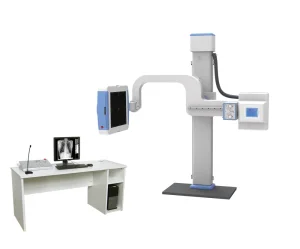
Explore our specialized instruments, radiological lines, and veterinary accessories for targeted applications.
 JZCare Syringe