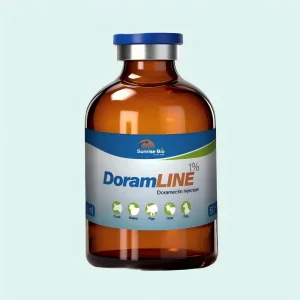
High-precision diagnostic and therapeutic clinical devices, adhering strictly to global CE, GMP, and ISO compliance standards.
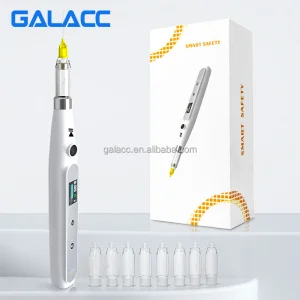
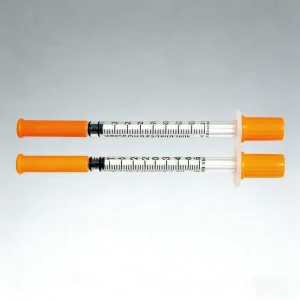
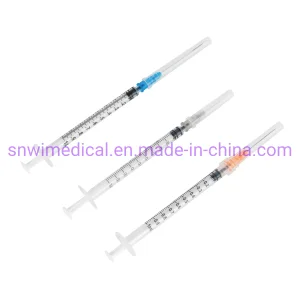
Underpinning international clinical reliability with certified high-capacity manufacturing structures.
In modern clinical environments, safety-engineered devices (SEDs) represent a crucial step forward in healthcare worker protection. The global health paradigm has shifted decidedly away from conventional hypodermic delivery mechanisms toward sophisticated safety needle systems designed specifically to mitigate Needlestick Injuries (NSIs) and prevent bloodborne pathogonic transmissions (such as HIV, Hepatitis B, and Hepatitis C). According to data curated by the World Health Organization (WHO), millions of clinical exposures occur annually, pushing international regulatory bodies to enforce legal mandates on safe delivery.
Historically initiated by the United States Needlestick Safety and Prevention Act of 2000, and followed by the European Union's Council Directive 2010/32/EU, safety-engineered needles are no longer optional. They are mandatory clinical standards. For major institutional buyers, sourcing from certified Chinese manufacturers who possess automated, high-precision capabilities is key to meeting cost targets while maintaining compliance with local clinical standards.
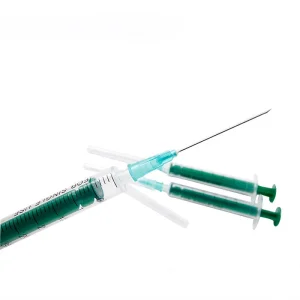
Safety needle designs fall into two main categories: Active systems, where the clinician manually activates the protective shield or retraction mechanism, and Passive systems, which automatically shield the needle upon completing the fluid transfer. Both demand exceptional manufacturing precision to prevent premature deployment.
Addressing clinical requirements across diverse environments, from general vaccination protocols to highly specialized dental and diabetic therapies.
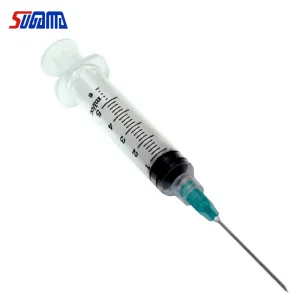
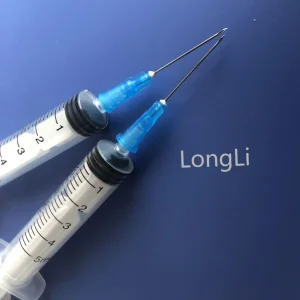
Using auto-disable (AD) syringe architectures with integrated needles. Once the dose is delivered, the plunger locks, preventing any reuse and rendering the needle safely enclosed. Excellent for public health drives.
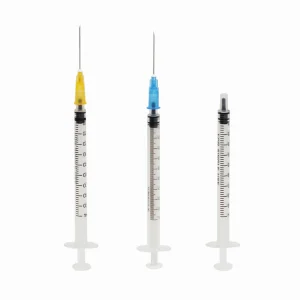
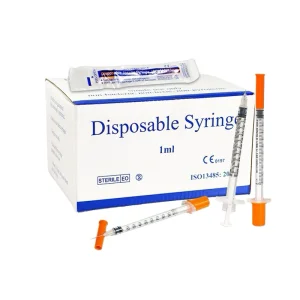
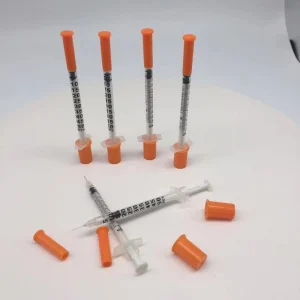
Engineered with ultra-fine gauges (29G to 31G) and shorter needle profiles (5mm to 8mm). These micro-needle systems ensure consistent subcutaneous absorption with minimal pain, featuring slip-on safety caps to keep the needle protected after use.
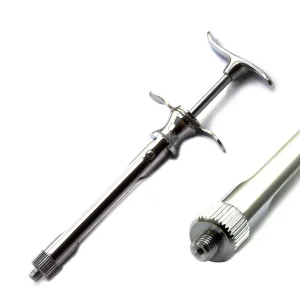
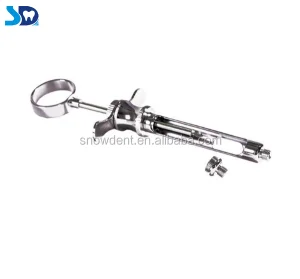
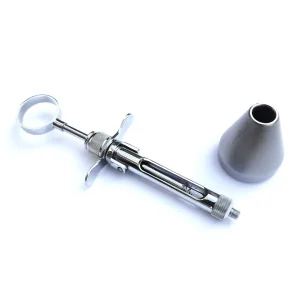
Aspirating local cartridge-style systems (1.8 ml) with protective recappers. Specially designed to handle the dense tissues of the oral cavity safely, reducing the risk of accidental sticks during deep dental block procedures.
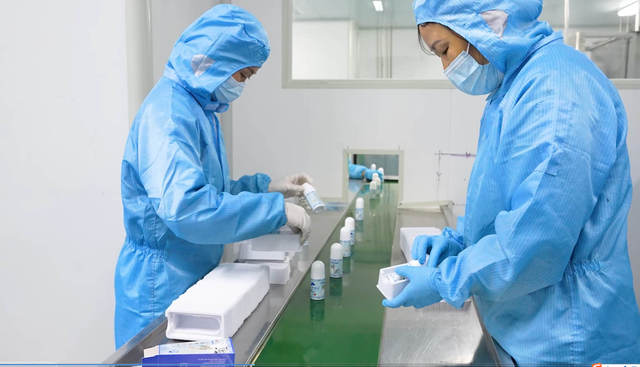
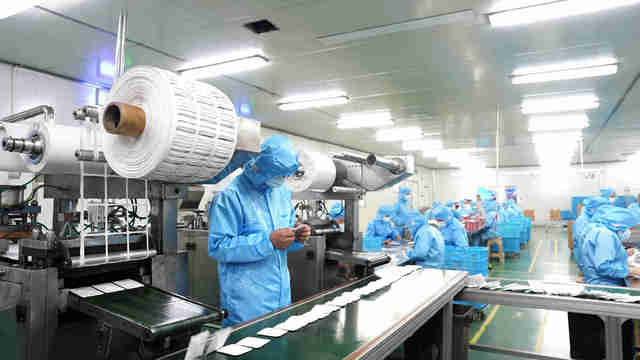
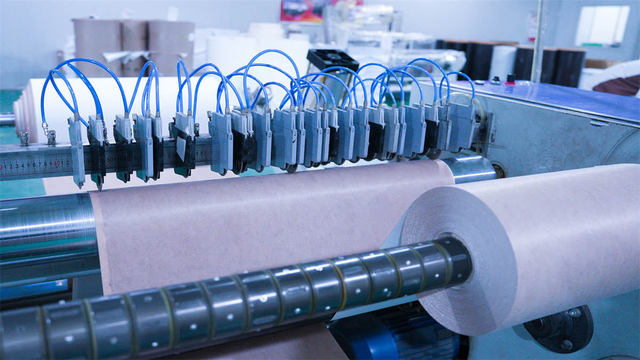
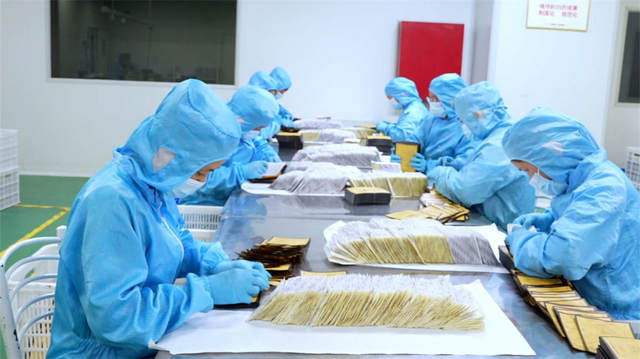
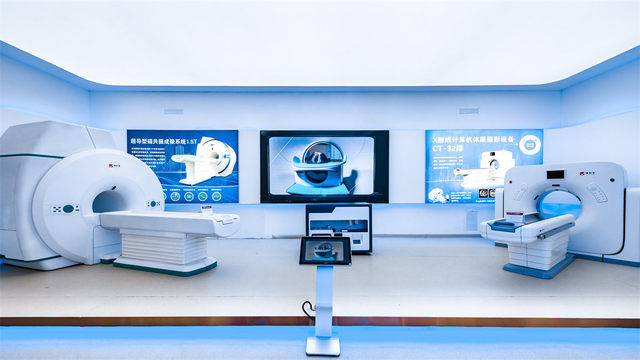
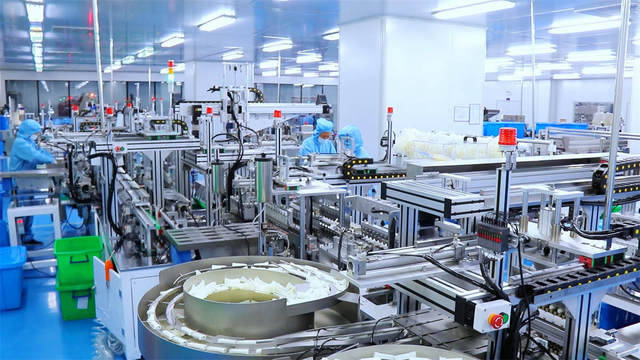
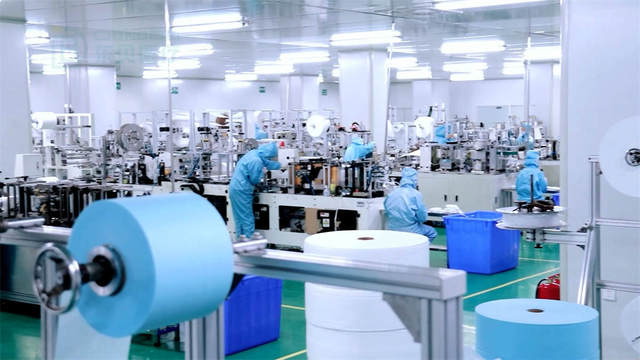
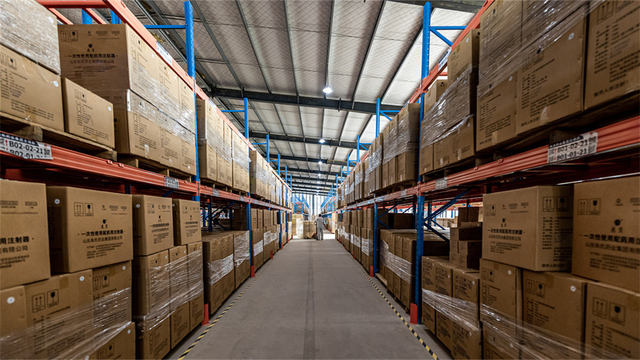
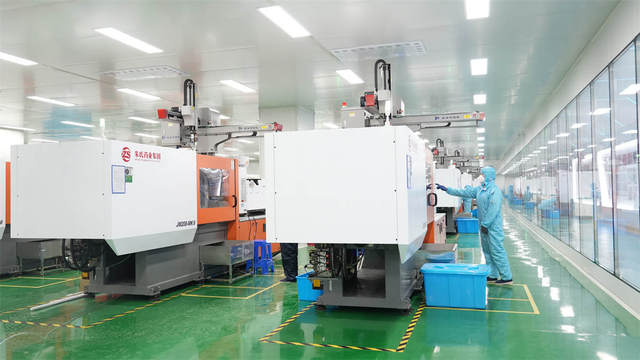
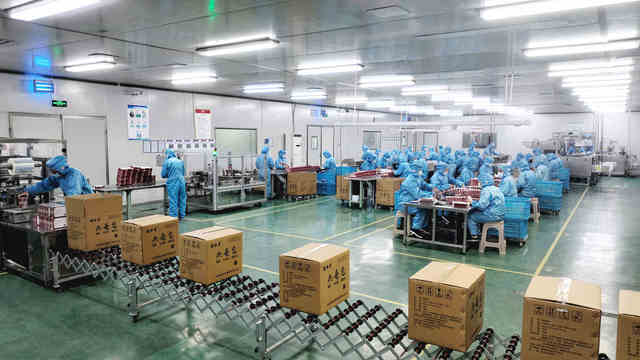
A look inside Hangzhou JZCare Medical Co., Ltd.'s state-of-the-art production environments, featuring Class 100,000 cleanrooms and high-precision injection molding machinery.
B2B buyers should evaluate Chinese manufacturers based on three main criteria:
For global healthcare distributors, bulk syringe sourcing requires balancing strict clinical quality with reliable high-volume production. An unexpected disruption in supply chains can lead to critical stockouts in hospitals, directly impacting patient care. Sourcing from manufacturers like Hangzhou JZCare Medical Co., Ltd. helps mitigate these risks.
With an annual production capacity exceeding 1.5 billion units of disposable medical products, JZCare utilizes high-speed automated assembly lines and modern high-pressure injection molding techniques. This enables consistent, high-yield manufacturing that meets the large-scale ordering needs of ministries of health and major retail pharmacy networks.
Furthermore, the financial stability of the supplier, their relationship with local polymer distributors (medical-grade polypropylene), and their proximity to deep-water shipping terminals (such as Ningbo-Zhoushan Port) are essential elements for smooth logistics. They minimize transit delays and ensure efficient transport to global markets.
The injection technology sector is advancing rapidly, driven by automation, material improvements, and environmental responsibility.
Using higher grade 304 stainless steel alloys allows for ultra-thin needle walls. This structure increases the inner fluid path diameter without enlarging the outer profile, ensuring faster administration and less patient discomfort.
The medical industry is actively exploring bio-based polypropylene. This material significantly reduces the carbon footprint of high-volume medical disposables while fully maintaining sterile barrier integrity.
Emerging designs feature miniature internal hydraulic mechanisms that slowly retract the needle upon completion of the injection, eliminating the sudden recoil sensation associated with traditional spring-loaded devices.
A professional global manufacturer of medical consumables, specializing in sterile injection devices and high-quality healthcare single-use solutions.
Hangzhou JZCare Medical Co., Ltd. is a professional medical consumables manufacturer specializing in disposable medical syringes, sterile injection devices, and high-quality healthcare disposable products for global medical markets. Established in 2011 and located in Hangzhou, China, the company integrates research and development, precision injection molding, automated production, sterilization processing, and global OEM/ODM services.
JZCare operates a modern manufacturing facility covering approximately 26,000 square meters with more than 300 employees, including experienced engineers, quality inspectors, and production specialists. The factory is equipped with advanced cleanroom workshops, fully automated assembly lines, and strict quality control systems to ensure product safety, consistency, and compliance with international medical standards. Annual production capacity exceeds 1.5 billion units of disposable medical products, supplying hospitals, clinics, laboratories, and healthcare distributors worldwide.
The company’s core product range includes disposable syringes, hypodermic syringes, safety syringes, insulin syringes, luer lock and luer slip syringes, and various sterile medical injection consumables. By adopting high-precision manufacturing technology, medical-grade materials, and rigorous sterilization processes, JZCare ensures reliable performance and patient safety in every product.
Driven by continuous innovation and global healthcare demand, Hangzhou JZCare Medical Co., Ltd. is committed to providing safe, efficient, and cost-effective medical disposable solutions while maintaining strong partnerships with international clients through stable quality, flexible customization, and professional service support.
Answering essential technical, regulatory, and logistics questions from professional medical buyers.
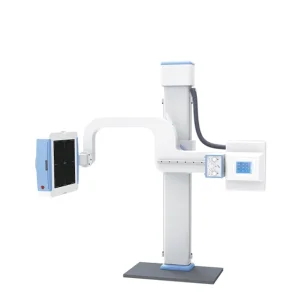
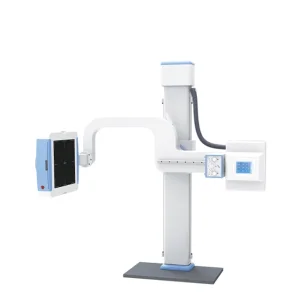
From veterinary applications to advanced digital medical imaging systems, manufactured under strict clinical compliance framework.
 JZCare Syringe