In modern healthcare, patient safety and the absolute mitigation of occupational biological hazards represent core metrics of operational excellence. The global transition from conventional disposable medical syringes to advanced syringes featuring integrated safety mechanisms is driven by strict public health policies, comprehensive occupational safety laws, and a collective determination to eliminate Needlestick Injuries (NSIs) among healthcare professionals.
Needlestick injuries (NSIs) are a primary route for transmitting bloodborne pathogens like Hepatitis B (HBV), Hepatitis C (HCV), and Human Immunodeficiency Virus (HIV). According to epidemiological reports by the World Health Organization (WHO), over two million occupational exposures to bloodborne pathogens occur annually among healthcare workers. Applying safety engineering to hypodermic devices significantly reduces these events. Studies indicate that integrating safety-engineered mechanisms in medical facilities reduces NSI incidents by over 80% to 94%.
"The integration of safety-engineered sharps devices is no longer an optional safety protocol. It represents an essential, regulatory-driven clinical design standard. Key medical regulatory bodies globally demand strict adherence to ISO 23908 standards, ensuring that active or passive protective shields effectively isolate hypodermic needles immediately after clinical fluid administration."
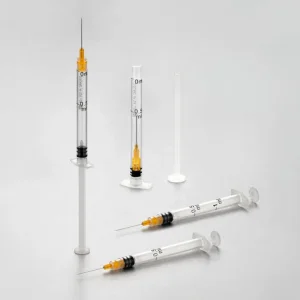
Historically, the needle-shielding market relied heavily on secondary add-on components, which added bulk and increased the risk of operator error during deployment. Today's advanced clinical standards focus on integrated safety mechanisms, where the protective cover, retractable piston, or shielding barrel is built directly into the syringe assembly. This streamlined design reduces plastic waste, enhances mechanical reliability, and simplifies operation, requiring little to no change to standard injection techniques.
The US Needlestick Safety and Prevention Act and EU Directive 2010/32/EU require healthcare facilities to implement safety-engineered medical devices to minimize accidental needlesticks and contamination risk.
Clinical data confirms that using safety syringes with automatic passive retraction or integrated needle shields reduces accidental needlestick injuries by 94% across clinical settings.
While the initial cost per unit for safety-engineered devices is higher than conventional syringes, they save significant clinical costs by reducing post-exposure testing, prophylaxis treatment, and legal liabilities.
Selecting a safety syringe for clinical or veterinary applications requires understanding its mechanical architecture. Safety-engineered sharps protection devices (SEIPDs) are broadly classified into Active Mechanisms and Passive Mechanisms, based on how the safety barrier is deployed.
| Mechanism Category | Engineering Design Principle | Operator Action Required | Primary Clinical Applications | Key Safety Benefits |
|---|---|---|---|---|
| Passive Retractable Syringes | Spring-loaded needle retraction triggered automatically at the end of the plunger stroke. The needle retracts directly into the syringe barrel. | None (Automatic integration) | Critical care, rapid immunizations, high-infection clinical settings. | Eliminates risk of post-injection needle exposure; completely prevents device reuse. |
| Active Retractable Syringes | Manual mechanical retraction, where the operator pulls the plunger backward until the needle retracts into the barrel, locking it securely. | Deliberate pull-back motion | General medical fluid administration, specialty diagnostic injections. | Gives the operator control over activation timing, preventing premature activation. |
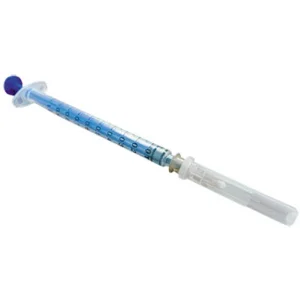
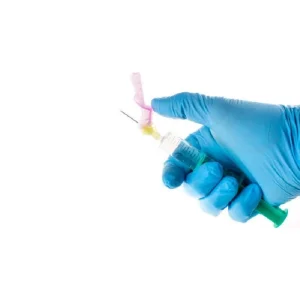
| Hinged Needle Shields | A plastic sheath attached near the needle hub is flipped over the needle tip after use, locking securely. | Single-handed manual cover push | Standard blood draws, cosmetic procedures, localized drug delivery. | Cost-effective, compatible with diverse needle gauges, easy visual verification. |
| Sliding Sleeve Barriers | A transparent protective sheath slides forward over the needle, locking into place. | Manual forward slide | Veterinary immunizations, diabetes care, insulin administration. | Provides visual shielding of the needle before and after injection, reducing patient anxiety. |
From an engineering perspective, manufacturing these devices requires high-precision injection molding, ultra-consistent assembly tolerances, and medical-grade materials. The syringe barrel is typically molded from high-transparency, medical-grade Polypropylene (PP), ensuring clear visibility of the fluid and any air bubbles. The needle tube is made from SUS304 stainless steel, processed using advanced electrochemical polishing and siliconization to minimize insertion force and optimize patient comfort.
Standard Compliance Note: Every safety-engineered syringe must meet strict global standards, including ISO 7886-4 (Sterile single-use hypodermic syringes - Part 4: Syringes with engineered anti-reuse features) and ISO 23908 (Sharps injury protection - Requirements and test methods for single-use hypodermic needles, introducers, and syringes).
Hangzhou JZCare Medical Co., Ltd. is a leading manufacturer of medical consumables, specializing in disposable medical syringes, sterile injection devices, and high-quality healthcare disposable products for global medical markets. Established in 2011 and located in Hangzhou, China, the company integrates research and development, precision injection molding, automated production, sterilization processing, and comprehensive global OEM/ODM services.
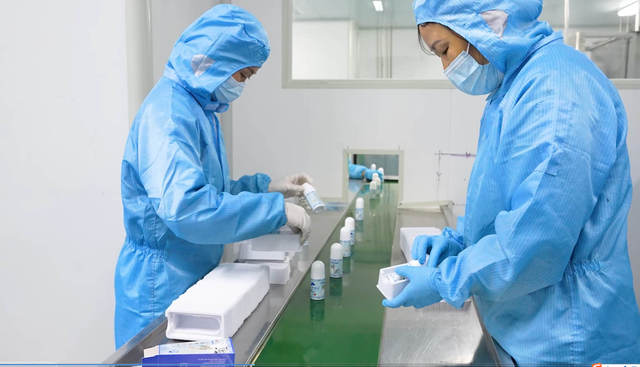
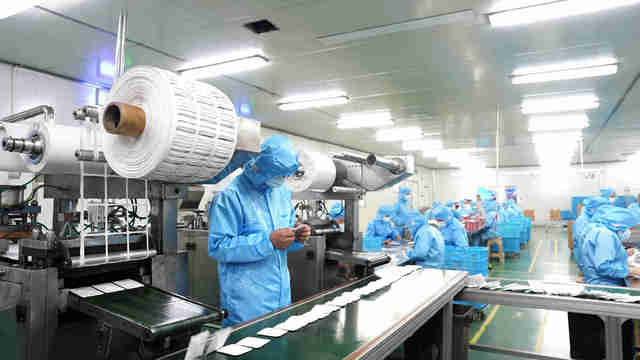
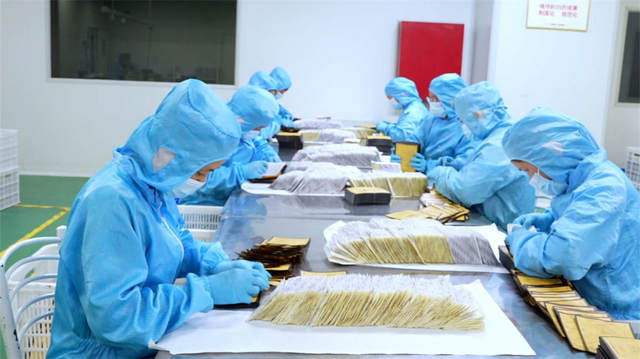
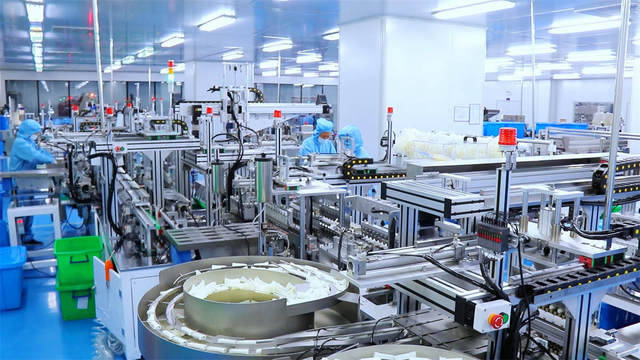
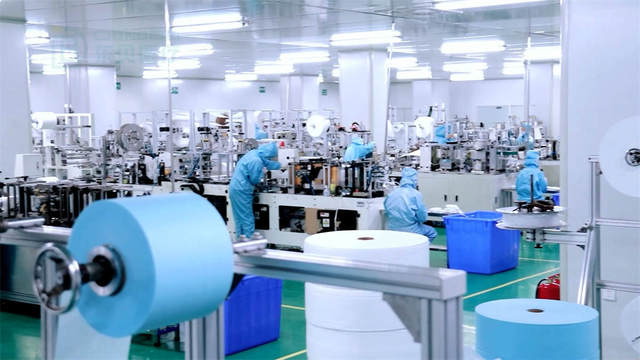
JZCare operates a modern manufacturing facility covering approximately 26,000 square meters with a dedicated team of more than 300 employees, including experienced biomedical engineers, quality control inspectors, and production specialists. The factory is equipped with advanced ISO Class 8 cleanroom workshops, fully automated high-speed assembly lines, and rigorous quality management systems to ensure product safety, consistency, and complete compliance with international medical regulatory standards.
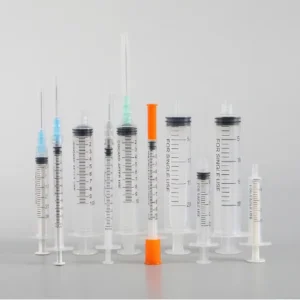
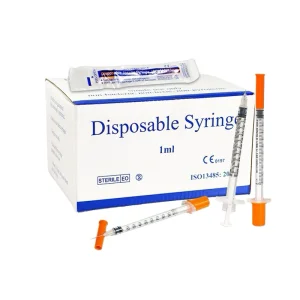
The company’s core product range includes disposable syringes, hypodermic syringes, safety syringes, insulin syringes, luer lock and luer slip syringes, and various sterile medical injection consumables. By adopting high-precision manufacturing technology, medical-grade raw materials, and validated ethylene oxide (EO) sterilization processes, JZCare ensures reliable performance, consistent needle sharpness, and patient safety in every unit produced.
Driven by continuous innovation and global healthcare demand, Hangzhou JZCare Medical Co., Ltd. is committed to providing safe, efficient, and cost-effective medical disposable solutions. We maintain strong, long-term partnerships with international clients through reliable quality, flexible OEM/ODM customization, and professional service support.
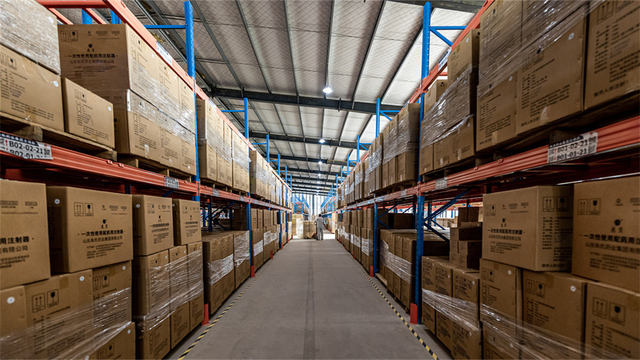
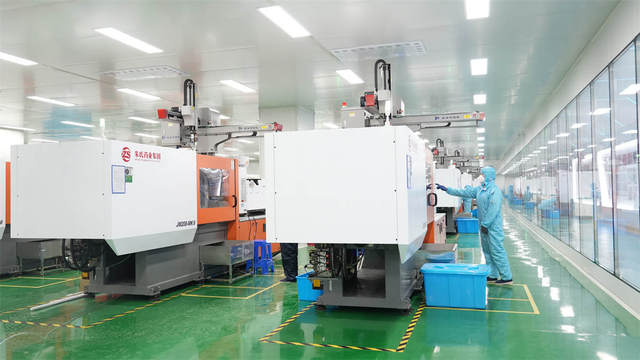
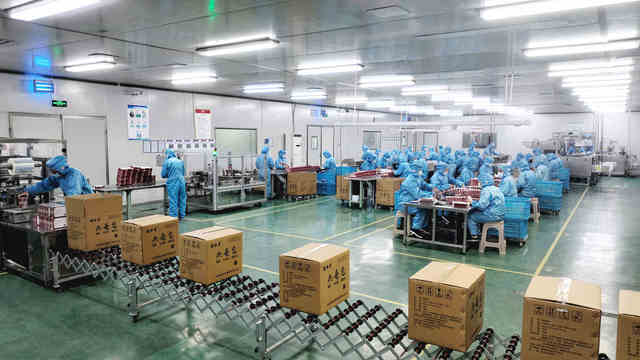
Disposable safety syringes are critical across diverse healthcare and industrial sectors. Their design is tailored to meet the specific requirements of each application.
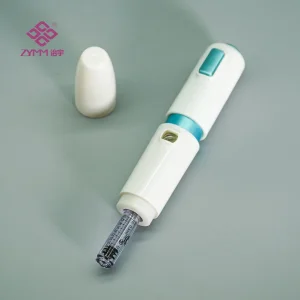
High-precision, ultra-fine needles (29G, 30G, 31G) minimize patient discomfort during daily subcutaneous injections. Integrated safety mechanisms protect patient-caregivers and prevent accidental reuse, supporting safe home-based disease management.
During large-scale immunization campaigns, Auto-Disable (AD) safety syringes are essential. They lock automatically after a single dose is delivered, eliminating the risk of cross-contamination and the reuse of sterile devices.
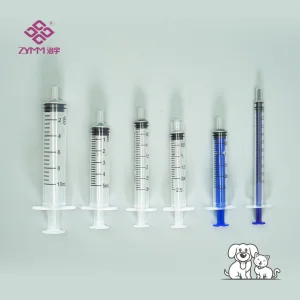
Veterinary procedures demand highly durable devices due to animal movement. Custom polymer safety syringes (such as TPX materials) combine the durability of reusable glass with the sterile safety of disposable devices, including specialized adjustable dosage controls.
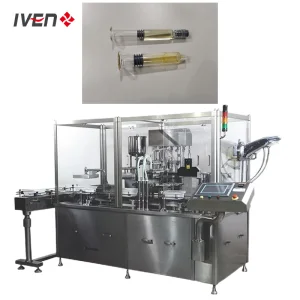
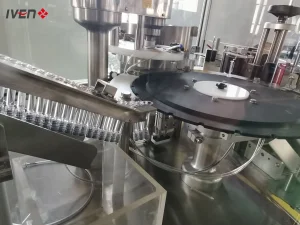
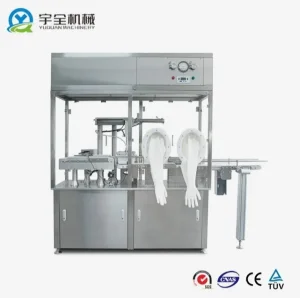
For pharmaceutical manufacturing and biotech operations, syringe integration goes beyond the hand-held device. Modern pharmaceutical packaging relies on automated, high-throughput filling and sealing lines. Specialized components like glass prefilled syringes (PFS) require sophisticated, cleanroom-compatible automation systems. These include fully automatic denesting and feeding systems, which smoothly transition glass syringe nests into filling lines, ensuring high speed, precision, and sterility.
Industrial System Integration: Incorporating sterile packaging systems, automatic sealing equipment, and high-efficiency denesting systems allows healthcare suppliers and pharmaceutical manufacturers to scale up safely. This configuration ensures consistent quality, minimizes cleanroom contamination, and complies with international GMP standards.
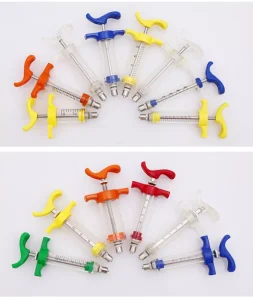
 JZCare Syringe