Premium medical injection & fluid dispensing devices optimized for the highly demanding Singapore commercial, pharmaceutical, and scientific sectors.
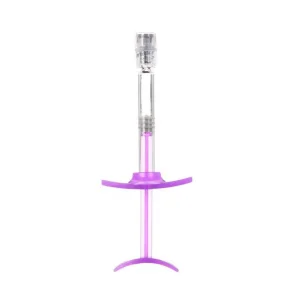
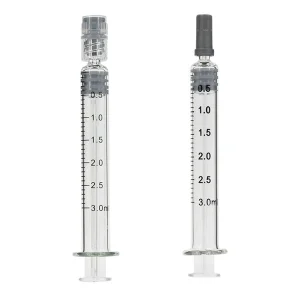
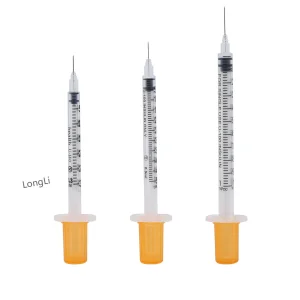
In the rapidly evolving biomedical landscapes of high-income markets, precision is no longer merely a benchmark of quality; it is a fundamental determinant of patient outcome and clinical efficacy. Singapore, recognized globally as the leading biomedical hub of the Asia-Pacific region, places stringent demands on the engineering integrity and functional consistency of fluid delivery mechanisms. Whether administering high-value biologics, targeted cell and gene therapies, or delivering micro-liter dosages of highly active pharmaceutical ingredients (APIs), the margin for volumetric error has effectively converged to zero.
High Precision Dosage Syringes represent the pinnacle of fluid dispensing systems. Traditional fluid delivery methods are susceptible to dead volume losses, inconsistent plunger glide-forces, and material leachables. The introduction of advanced polymer technologies, such as Cyclo-Olefin Polymers (COP), alongside automated ultra-precision manufacturing lines, has redefined accuracy. As Singapore’s clinical research organizations, automated production lines, and high-end aesthetic medicine practitioners expand, understanding the micro-mechanics of precise dosage delivery becomes essential for procurement directors and quality assurance managers globally.
Singapore has systematically developed an unparalleled infrastructure to foster biomedical innovation. With physical development hubs like **Biopolis** and **Tuas Biomedical Park**, the nation hosts the regional headquarters, clinical research groups, and manufacturing plants of top global pharmaceutical conglomerates. Consequently, the demand profile for precision dosing instrumentation in Singapore is uniquely characterized by three primary verticals:
Singapore acts as the nerve center for complex clinical trials in oncology, immunology, and regenerative medicine. These fields require specialized dosing to deliver highly potent materials, demanding ultra-low dead space (LDS) syringe architectures to avoid wasting expensive, custom-formulated therapies.
Driven by affluent demographics, Singapore’s clinical dermatology industry demands exceptional tactile feedback, low glide-force variability, and strict dimensional accuracy. Dermal fillers, botulinum toxins, and advanced skin boosters utilize high-precision glass and plastic luer lock syringes to ensure uniform, controlled injections.
Beyond human healthcare, Singapore's advanced electronics manufacturing sector relies heavily on precise pneumatic dispensing systems. Automated surface mount technology (SMT) and semiconductor underfill processes require high-grade, thick-walled PP syringes capable of operating under high pressure without fluid shearing or chemical contamination.
The regulatory framework in Singapore, governed strictly by the **Health Sciences Authority (HSA)**, aligns closely with the most demanding global standards. Importers and clinical institutions require medical grade components that possess exhaustive verification files (Device Master Files), bio-compatibility profiles, and comprehensive ISO 13485 certifications. Procurement decisions are not guided solely by price points; they depend upon the manufacturer's ability to demonstrate structural compliance, zero contaminants, and proven delivery consistency.
On a global scale, the syringe market is undergoing a major technological transformation. Standard, disposable multi-part polypropylene (PP) syringes are increasingly being supplemented—and in many critical applications, replaced—by advanced **Pre-Filled Syringe (PFS)** designs and advanced polymer materials. The shift is accelerated by the introduction of complex biologics, macromolecular proteins, and gene therapies that exhibit high sensitivity to standard syringe components.
Historically, borosilicate glass was the premium gold standard for stable storage and delivery. However, the risk of micro-fractures, glass flakes, and interactions with silicone oils (used as lubricants inside glass barrels) has catalyzed the adoption of **Cyclo-Olefin Polymer (COP)** and **Cyclo-Olefin Copolymer (COC)** resins. These high-grade polymers combine the glass-like optical clarity and gas-barrier properties of borosilicate with the fracture resistance, dimensional stability, and low surface energy of plastics.
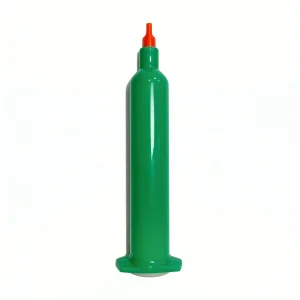
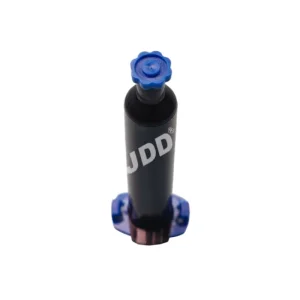
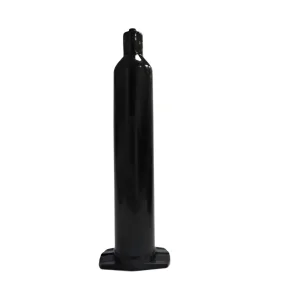
Furthermore, the industrial glue-dispensing market is experiencing rapid expansion. The demand for modern smartphones, high-frequency radar modules, automotive sensors, and aerospace components requires ultra-precise liquid dispensing barrels. High-precision Japanese-style green and black dispensing syringes are utilized to deposit micro-doser droplets of silver-paste conductive epoxies and UV-cure adhesives. The global market now demands dual-competency suppliers capable of producing sterile, human-grade medical devices alongside chemically resistant, high-pressure industrial dispensing consumables.
The fundamental challenge for global healthcare systems and high-precision industrial sectors is reconciling the demand for absolute quality with intense budgetary pressures. This is where leading Chinese manufacturers like **Hangzhou JZCare Medical Co., Ltd.** have built an impenetrable competitive advantage.
By consolidating localized raw material supply networks, utilizing high-speed automated robotic assembly systems, and deploying advanced injection molding technology, China-based factories achieve production yields and cost efficiencies that cannot be matched in Western Europe or North America.
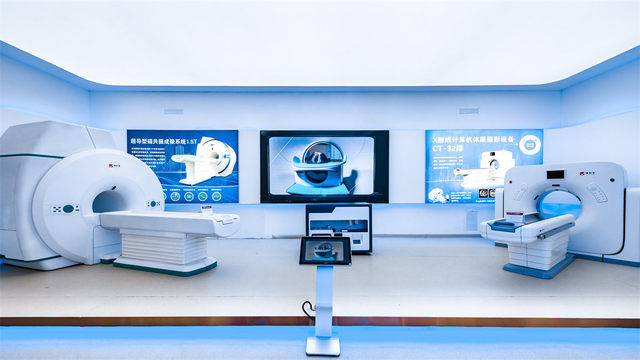
Established in 2011, **Hangzhou JZCare Medical Co., Ltd.** has constructed a world-class manufacturing operation designed to cater directly to these strict global compliance standards:
| Strategic Metric | Hangzhou JZCare Medical Co., Ltd. Standard | Standard Factory Benchmark |
|---|---|---|
| Facility Scale & Capabilities | 26,000 m² modern facility, integrated advanced cleanrooms. | Small-scale facilities under 5,000 m² with manual lines. |
| Quality Control Systems | Automated optical inspection systems, rigorous batch-release testing. | Sampling inspect and manual sorting with high human-error rates. |
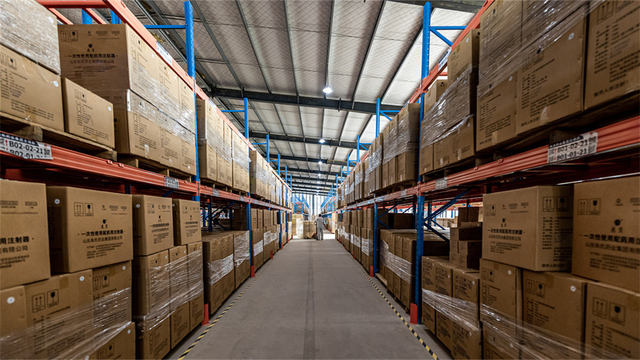
| Production Scalability | Annual capacity exceeding 1.5 Billion units, fast-track OEM/ODM. | Limited scaling, lengthy delivery times for high-volume custom orders. |
| Regulatory Support | Full CE, ISO 13485, and comprehensive biological safety portfolios. | Partial documentation, insufficient biological validation. |
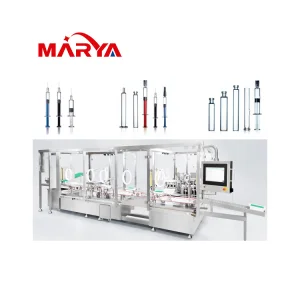
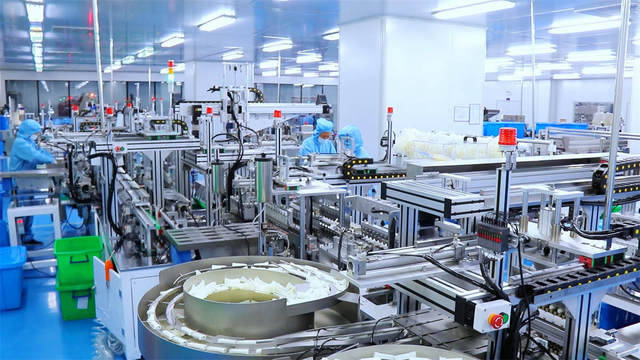
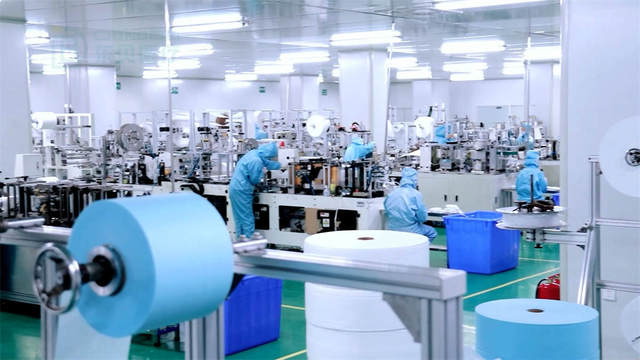
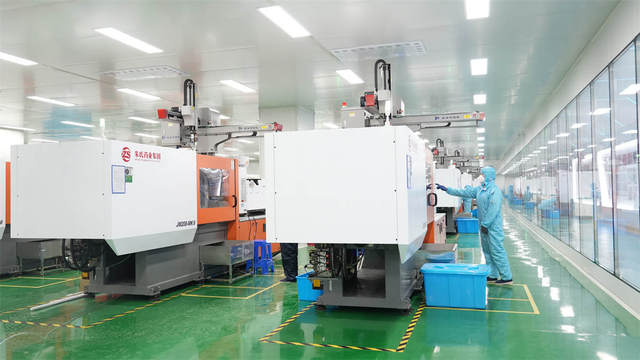
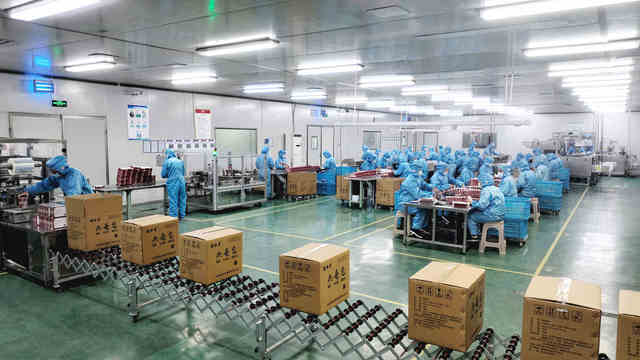
JZCare’s state-of-the-art facility features deep integration of high-precision injection molds, multi-cavity hot-runner systems, and fully automated assembly lines that perform inline optical inspections of syringe scales, needle mounting, and plunger integrity. This continuous automation limits human touchpoints, minimizing particulate and microbial contamination while guaranteeing that the glide-force and dead volume parameters remain highly uniform across millions of manufactured units.
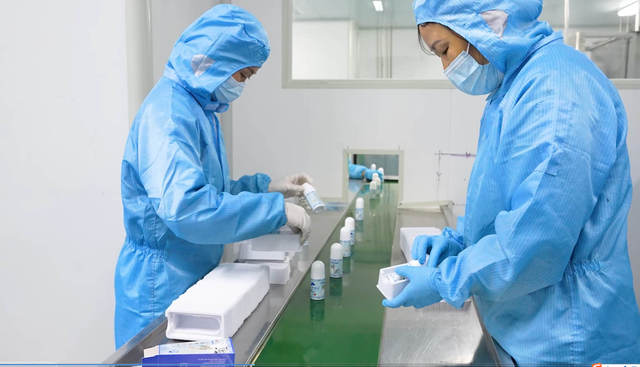
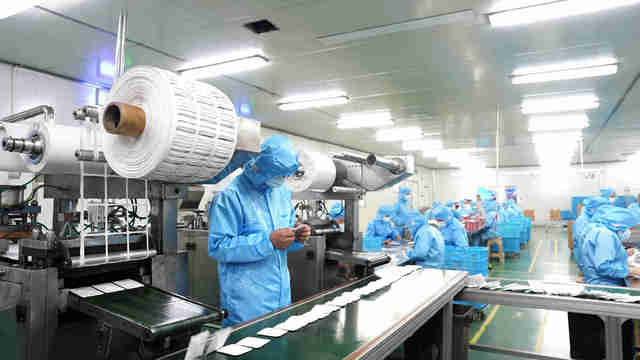
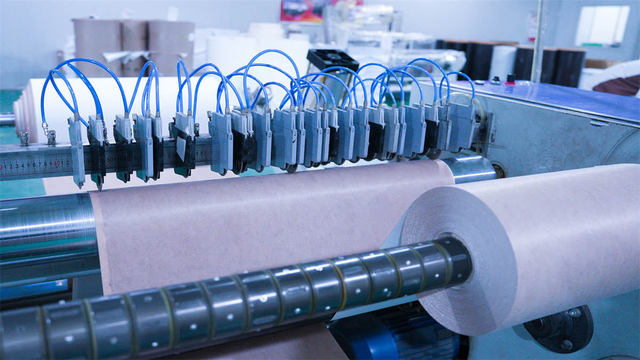
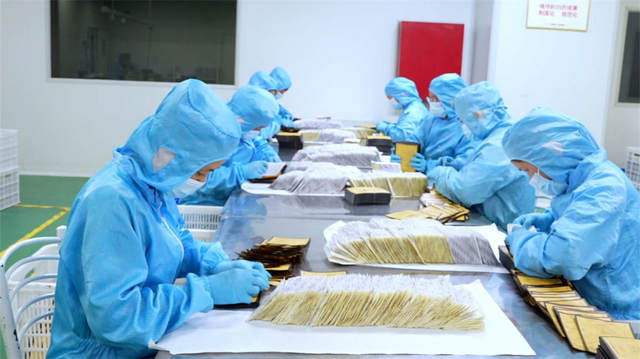
To understand why JZCare’s precision portfolio matches Singapore's medical and scientific ecosystems, we must examine real-world integration scenarios:
Cosmetic clinics in Singapore require ultra-fine delivery of highly viscous hyaluronic acid (HA) fillers. A failure in the luer-lock syringe connection can lead to product bypass, visual distortion, or high plunger friction, resulting in sudden, painful fluid bursts. JZCare's Luer Lock glass and polymer syringes provide robust thread shear resistance and smooth, predictable plunger glide. This enables dermatologists to deliver micro-droplets with precision and absolute safety.
Research labs handling highly volatile genetic materials or monoclonal antibodies must protect their samples from active chemical surfaces. The use of standard polypropylene syringes containing trace amounts of heavy metals, plasticizers, and sliding oils is unacceptable. In these environments, JZCare's COP and pre-sealed glass syringes serve as highly inert vessels, preventing protein absorption and maintaining sample integrity during long-term storage or delicate micro-fraction injections.
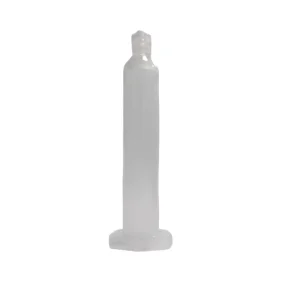
Industrial applications inside Singapore's advanced tech plants require clean adhesive and underfill dispensing. The thick-walled Japanese-style green, black, and transparent PP barrels designed by JZCare are built to withstand high pneumatic pressures. By offering consistent internal cylinder tolerances, they eliminate uneven backpressure, preventing glue stringing, drip loss, or uneven material deposits on semiconductor micro-circuits.
For international procurement directors, navigating global regulatory compliance is a critical step in the supply chain lifecycle. JZCare Medical maintains an extensive verification portfolio designed to support quick market authorization and secure importation routes into highly regulated territories:
When purchasing high-precision dosage syringes for biologics or sensitive lab work, the primary point of failure is often the "Leachable Profile." Over time, heavy metals, vulcanization agents from rubber plungers, and silicone lubricants can migrate into the liquid drug formulation. This can denature proteins, alter pH, or compromise clinical studies.
JZCare addresses this issue by using high-purity medical elastomers and advanced cross-linked siliconization technology. This reduces particulate migration and ensures that our COP and glass syringes maintain extremely low Extractable and Leachable profiles, satisfying the strictest requirements of global pharmaceutical auditors.
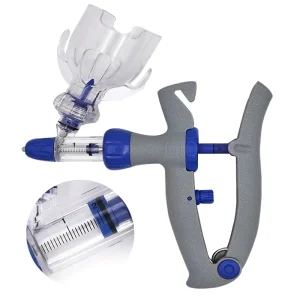
A high-precision dosage syringe is engineered with an extremely tight internal diameter tolerance, low dead volume (LDS) or zero dead space geometry, and high-resolution graduation scales. This combination minimizes residual volume loss, prevents dosing errors in micro-liter quantities, and ensures consistent plunger movement.
COP offers the optical clarity, low gas permeability, and chemical inertness of borosilicate glass, while eliminating the risks of breakage and micro-flaking. Additionally, COP prevents high-pH protein absorption, reduces trace metal contamination, and withstands cryogenic storage temperatures down to -80°C or lower.
JZCare uses advanced Ethylene Oxide (EO) and Gamma Radiation sterilization methods in strict compliance with ISO 11135 and ISO 11137 standards. Every batch is supplied with a comprehensive Sterilization Validation Dossier, biological indicator testing logs, and trace residue analysis reports.
Yes, our high-precision injection lines produce heavy-walled Japanese-style green, black, and transparent PP barrels. These cartridges feature tight dimensional tolerances that interface seamlessly with high-speed automated pneumatic dispensing equipment, ensuring clean dot placement and zero drip.
JZCare utilizes streamlined shipping corridors from Hangzhou/Ningbo ports to Singapore. Standard lead times for high-volume custom production range between 15 to 30 days, with express air cargo shipping taking just 3 to 5 days, ensuring stable and reliable supply chain pipelines.
Premium solutions for clinical injections, vaccine delivery, medical aesthetics, and high-performance industrial fluid dispensing.
Optimize your procurement workflow with premium OEM/ODM solutions, biological master files, and stable, cost-effective shipping networks to Singapore and global medical ports.
Send Inquiry Now JZCare Syringe