Precision-engineered consumables and clinical fluid management hardware designed for critical medical systems.
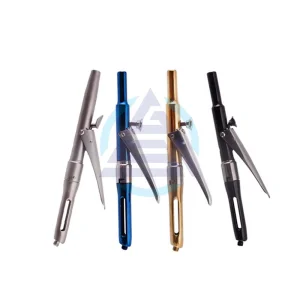
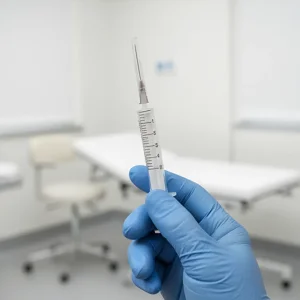
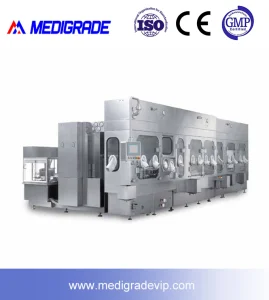
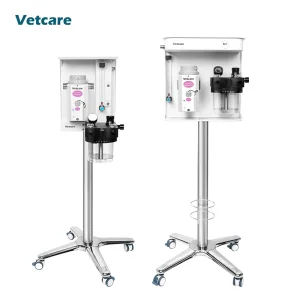
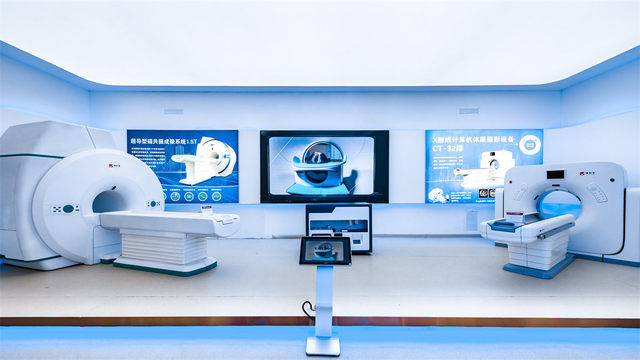
Founded on the bedrock of medical-grade engineering and clinical integrity, Hangzhou JZCare Medical Co., Ltd. stands as a premier global manufacturer and direct supplier of disposable medical consumables. Since our establishment in 2011, we have committed ourselves to closing the gap between technological innovation and patient safety. Headquartered in the high-tech hub of Hangzhou, China, our company houses a fully integrated, state-of-the-art infrastructure designed to deliver exceptional OEM and ODM services. Our operations seamlessly span initial molecular formulation research and development, ultra-precise injection molding, automated device assembly, validated sterilization processing, and advanced regulatory labeling.
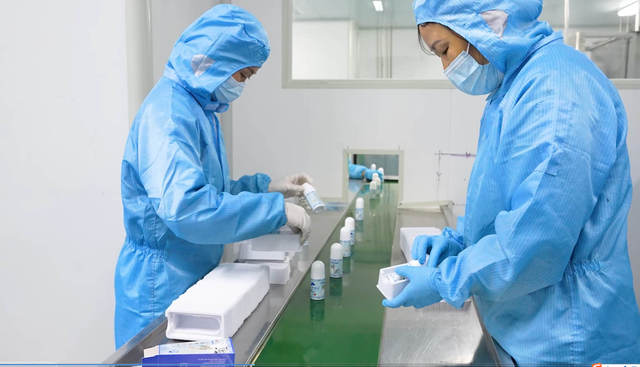
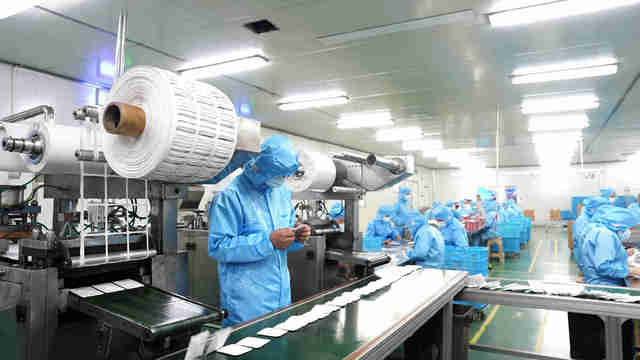
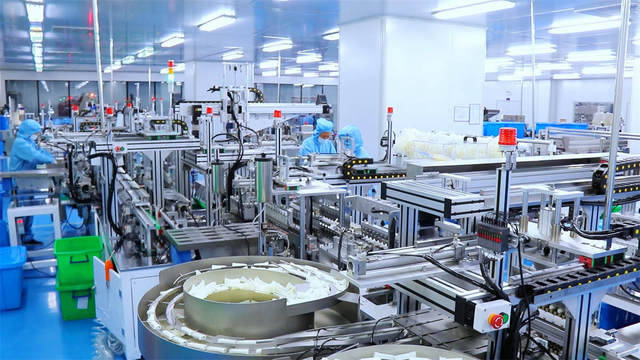
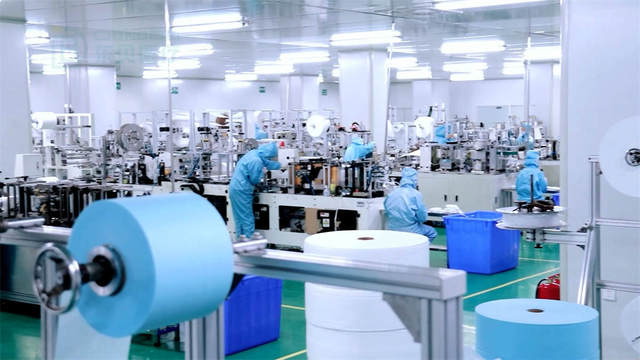
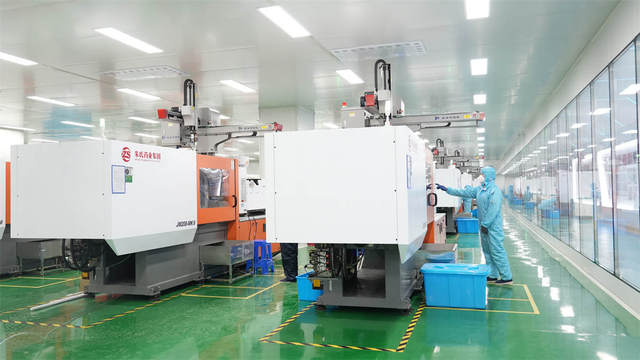
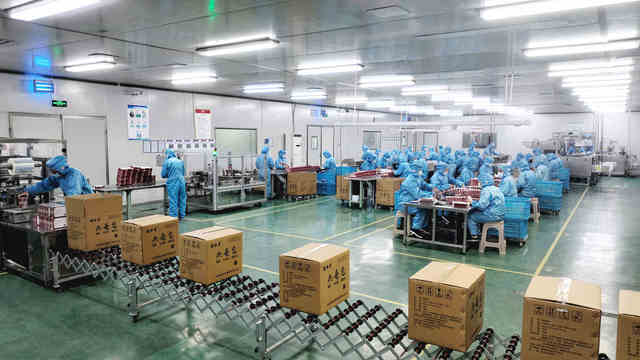
Our sprawling production ecosystem encompasses approximately 26,000 square meters of highly controlled environment facilities, designed to meet strict Class 100,000 (ISO Class 8) cleanroom parameters. Powering this ecosystem is our multi-disciplinary team of over 300 seasoned healthcare engineers, precise quality inspectors, and high-speed packaging automation specialists. Guided by strict adherence to international standards, JZCare operates continuous-throughput automation lines capable of outputting in excess of 1.5 billion finished syringe units annually. We reliably cater to the rigorous demands of municipal hospitals, tertiary care networks, diagnostics laboratories, and clinical distributors globally.
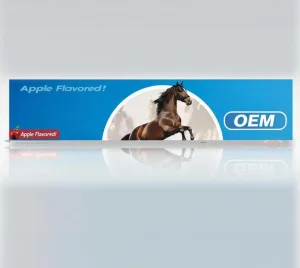
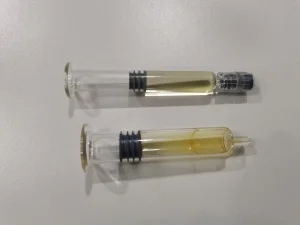
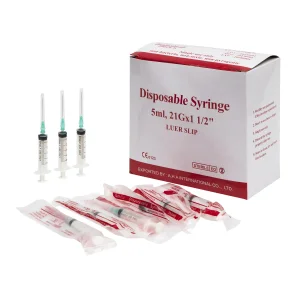
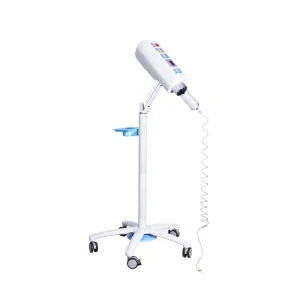
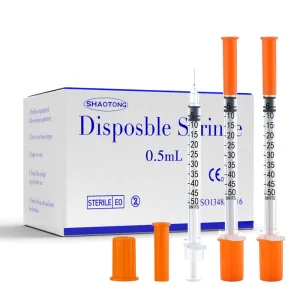
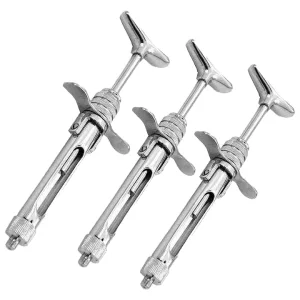
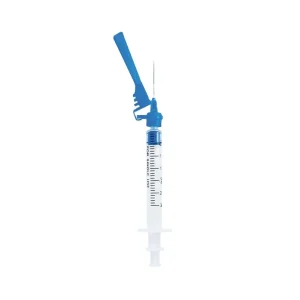
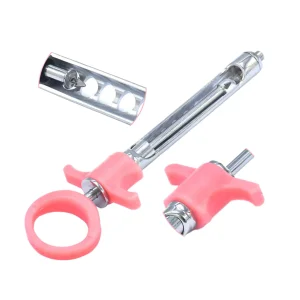
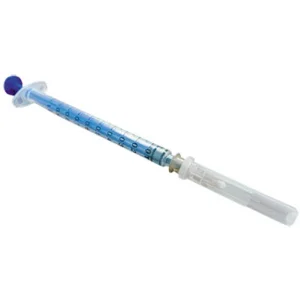
Our primary catalog centers on highly critical fluid management consumables: specialized prefilled syringe systems, sterile disposable hypodermic syringes, integrated insulin administration systems, high-pressure CT contrast injectors, veterinary oral dosing systems, and dental aspirating mechanisms. By utilizing premium, medical-grade materials such as zero-migration Polypropylene (PP) and Cyclo-Olefin Polymers (COP), coupled with highly validated ethylene oxide (EO) and gamma sterilization routines, JZCare promises consistent mechanical action, fluid biocompatibility, and physical barrier maintenance in every lot dispatched.
Modern primary pharmaceutical packaging demands labeling materials that exceed standard commercial adhesion standards. The syringe barrel presents unique mechanical and chemical challenges: its tight-radius curvature creates continuous outward spring-back tension on the label, while the thin plastic or glass wall is vulnerable to migration of low-molecular-weight chemical components from adhesives and inks.
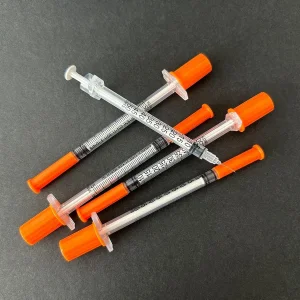
As a premier supplier, our engineering team specifies high-performance, low-migration substrates. The facestock is typically constructed from biaxially oriented polypropylene (BOPP) or high-density polyethylene (HDPE), coated with a specialized acrylic-based pressure-sensitive adhesive (PSA). This combination guarantees excellent tensile strength and flexibility, preventing edge lifting or "flagging" on barrels with diameters as small as 6.5mm (such as 0.5ml and 1ml insulin syringes).
| Material Property | Standard Specification | Clinical / Functional Purpose |
|---|---|---|
| Facestock Substrate | Top-coated BOPP / PET (50-60 microns) | Ensures clean clarity for visual inspection of fluids, graduated scales, and automated vision systems. |
| Adhesive Chemical Base | Low-migration, highly cohesive acrylic PSA | Prevents chemical leaching through medical-grade plastics, adhering to USP <661.1> and ISO 10993 testing. |
| Sterilization Performance | Validated for EO (Ethylene Oxide) & Gamma Ray | Maintains dimensional stability, adhesive tackiness, and print legibility without color shifting under harsh sterilization conditions. |
| Temperature Resistance | Operational range from -80°C to +120°C | Guarantees label adhesion integrity during ultra-low temperature cold chains (e.g., mRNA therapeutics stored at -80°C). |
A primary consideration in pharmaceutical risk management is **extractables and leachables (E&L)** profiling. Inferior adhesives can contain phthalates and volatile organic compounds (VOCs) that can migrate through the polymer matrix of plastic syringes, contaminating the active pharmaceutical ingredient (API). JZCare mitigates this risk by utilizing adhesives that comply with FDA 21 CFR 175.105 and have undergone extensive extraction testing using analytical techniques like GC-MS and LC-MS.
In high-volume pharmaceutical packaging lines, the labeling phase must integrate with high-speed filling, inspection, and cartoning machinery. Our syringes and labeling solutions are specifically optimized for compatibility with automated labeling systems running at speeds of up to 400 units per minute.
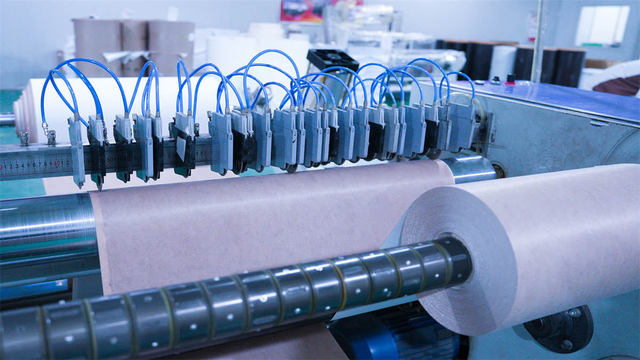
To achieve this level of efficiency, precision in label release tension and dimensional tolerances is critical. If the release liner (typically silicone-coated glassine paper) is too thick or uneven, high-speed dispensing arms can misfeed, causing costly line downtime. JZCare employs tight manufacturing tolerances (typically within ±0.2mm) to ensure seamless roll transitions and consistent mechanical release behavior.
Regulatory frameworks worldwide, including the US FDA and EU Commission, require Unique Device Identification (UDI) compliance for medical devices and prefilled syringes. Our syringe design and cleanroom capabilities support high-resolution printing of GS1 2D DataMatrix codes. This layout allows high-speed vision inspection systems to verify serialization codes, lot numbers, and expiration dates in real time, achieving a zero-defect exit rate.
Combining advanced medical-grade manufacturing, strict quality standards, and localized logistics optimization.
We utilize certified medical-grade raw materials (USP Class VI) and ISO 13485-compliant manufacturing workflows to guarantee clinical-grade safety and reliability.
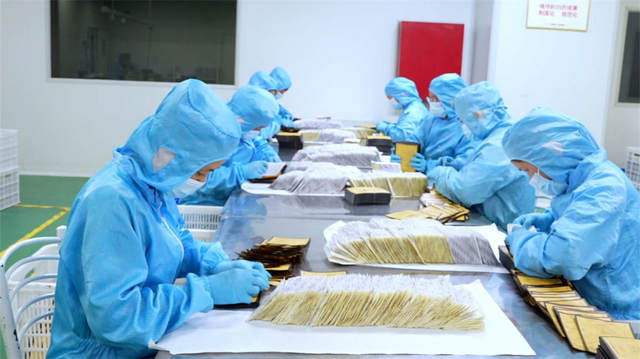
Our automated injection molding and labeling lines operate within Class 100,000 (ISO Class 8) cleanrooms to minimize particulate and microbiological contamination risks.
Our technical support teams assist in preparing files for regulatory submissions worldwide, including FDA 510(k), EU MDR CE certifications, and NMPA filings.
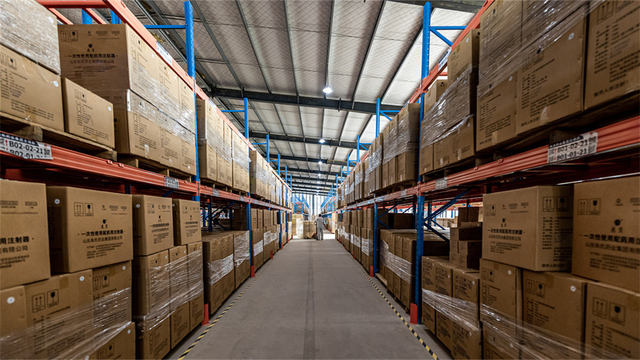
With an annual capacity of over 1.5 billion units, JZCare provides scalable production scheduling, rapid tooling development, and resilient logistics management.
For global procurement directors and category managers, selecting a syringe labeling supplier requires evaluating the Total Cost of Ownership (TCO) alongside regulatory compliance risks. While per-unit purchase price is important, indirect costs from labeling failures, mechanical jam rates, and customs delays can quickly impact margin targets.
In prefilled syringe applications, labeling is typically performed *after* aseptic filling and sterilization. This sequence places high importance on the supplier's quality control. A single microscopic dust particle trapped under a label can be flagged as a cosmetic defect or potential crack by automated inspection cameras, leading to the rejection of high-value filled products.
JZCare addresses this issue through strict operational protocols:
The biopharmaceutical industry is undergoing rapid evolution, driven by the rise of complex biologics and cell therapies. These advanced therapeutics require updated primary packaging solutions, presenting new opportunities for advanced labeling systems.
Key industry trends driving new product development include:
With many advanced therapies requiring cryogenic storage, traditional labeling methods can struggle. Smart labels featuring integrated RFID or NFC chips allow temperature tracking and digital product verification throughout the cold chain. This capability reduces clinical administration errors by letting healthcare providers verify drug authenticity and temperature history with a quick scan before injection.
Sustainability is becoming a key metric in healthcare procurement. Historically, medical waste has been difficult to recycle due to mixed-material construction (e.g., a polypropylene syringe barrel paired with a polyester label and acrylic adhesive). In response, JZCare is partnering with material science leaders to develop monomaterial systems. By matching the chemical profile of the label substrate with the syringe barrel, we help clinical facilities recycle used devices more easily, moving closer to a circular healthcare economy.
Detailed answers to critical technical, regulatory, and mechanical questions for procurement directors and packaging engineers.
Explore our full line of specialized delivery systems, designed to meet the strict demands of modern healthcare applications.
 JZCare Syringe