A premier medical consumables manufacturer specializing in sterile disposable medical syringes and advanced portable healthcare devices.
Hangzhou JZCare Medical Co., Ltd. is a professional medical consumables manufacturer specializing in disposable medical syringes, sterile injection devices, and high-quality healthcare disposable products for global medical markets. Established in 2011 and located in Hangzhou, China, the company integrates research and development, precision injection molding, automated production, sterilization processing, and global OEM/ODM services.
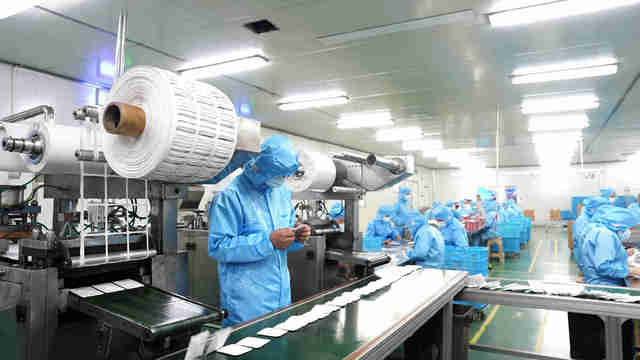
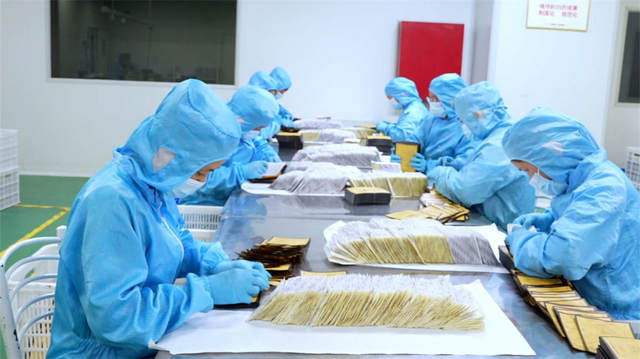
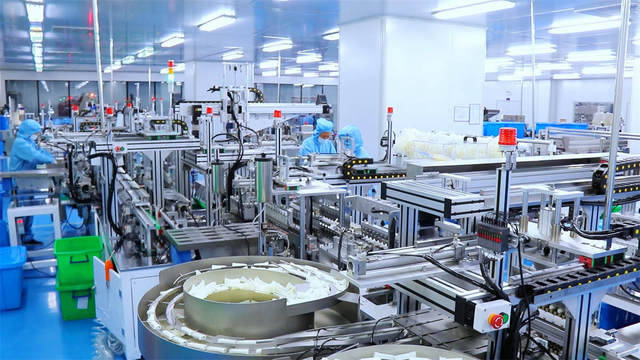
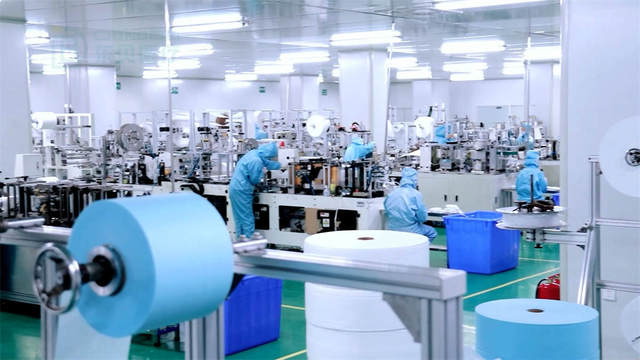
JZCare operates a modern manufacturing facility covering approximately 26,000 square meters with more than 300 employees, including experienced engineers, quality inspectors, and production specialists. The factory is equipped with advanced cleanroom workshops, fully automated assembly lines, and strict quality control systems to ensure product safety, consistency, and compliance with international medical standards. Annual production capacity exceeds 1.5 billion units of disposable medical products, supplying hospitals, clinics, laboratories, and healthcare distributors worldwide.
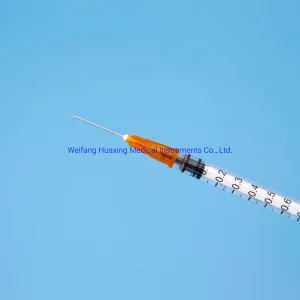
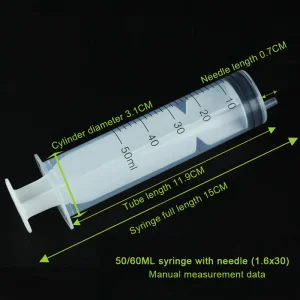
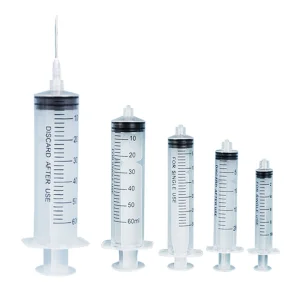
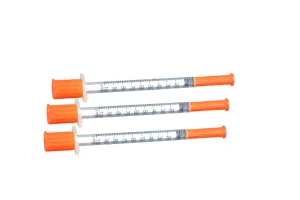
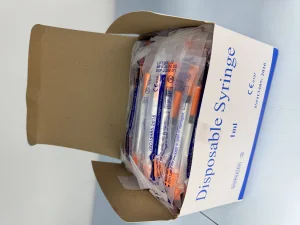
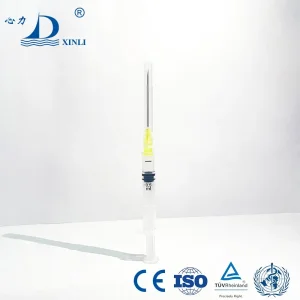
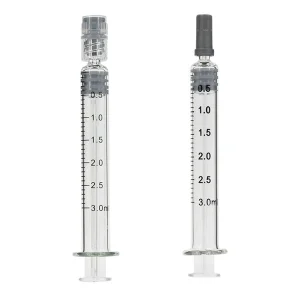
The company’s core product range includes disposable syringes, hypodermic syringes, safety syringes, insulin syringes, luer lock and luer slip syringes, and various sterile medical injection consumables. By adopting high-precision manufacturing technology, medical-grade materials, and rigorous sterilization processes, JZCare ensures reliable performance and patient safety in every product.
Driven by continuous innovation and global healthcare demand, Hangzhou JZCare Medical Co., Ltd. is committed to providing safe, efficient, and cost-effective medical disposable solutions while maintaining strong partnerships with international clients through stable quality, flexible customization, and professional service support.
Analyzing the shifting landscape of self-administration, home care trends, and the corresponding micro-injection hardware demands globally.
The global pharmaceutical and clinical healthcare ecosystem is undergoing a dramatic shift from traditional, hospital-centered administration towards decentralized, patient-centric therapeutic regimens. This structural transition has spiked the demand for high-performance custom OEM portable injection devices. These tools—ranging from automated insulin pens to sophisticated wearable micro-injectors—must maintain absolute dosage accuracy under variable environmental conditions, while ensuring intuitive, error-free operation by patients themselves.
In highly regulated regions such as North America, the European Union, and developed Asian economies (such as Japan and South Korea), medical device procurement is governed by stringent drug-delivery device interfaces and compatibility regulations. Purchasing agents demand comprehensive device-master-files (DMFs), dynamic hazard risk assessments (according to ISO 14971), and human factors validation test data. Our manufacturing processes at JZCare seamlessly align with these requirements, enabling pharmaceutical enterprises to fast-track their regulatory submissions and successfully complete FDA 510(k) or EU MDR processes.
Mitigating critical risk profiles through high-grade elastomer selection and medical-grade glass/polymer barrels that minimize extractables and leachables.
Rapidly scaling production runs with automated lines producing over 1.5 billion components annually to meet unexpected clinical or commercial demand spikes.
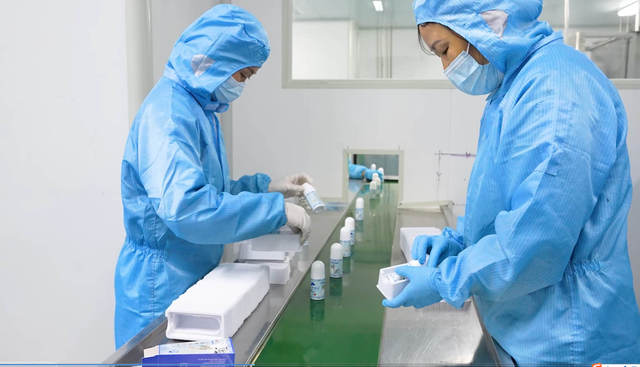
Maintaining complete sterilityassurance levels (SAL 10^-6) within ISO Class 7 and Class 8 cleanrooms with integrated EO/Gamma processing.
Engineering parameters, dynamic seal systems, and transition to intelligent connected home therapy platforms.
The design architecture of an OEM portable injection system hinges upon exact material optimization and precise mechanical engineering. Next-generation systems mandate an intimate understanding of the drug's physical properties—including viscosity, surface tension, and shear sensitivity. At JZCare, our technical roadmap prioritizes several core focus domains to meet future demands:
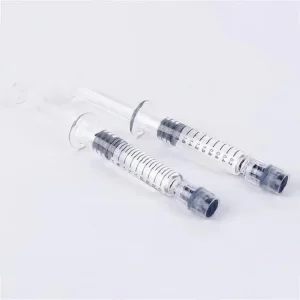
1. Biocompatibility and Polymeric Interfaces: Standard medical syringes have traditionally relied on borosilicate glass and polypropylene. However, modern high-viscosity biologics demand advanced engineering plastics like Cyclic Olefin Polymers (COP). COP offers high break resistance, near-zero metal ion contamination, high optical clarity, and low protein adsorption, making it the ideal standard for pre-filled safety syringes.
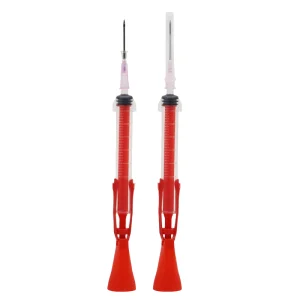
2. Needle Engineering and Surface Siliconization: To minimize patient discomfort and force-to-penetrate variables, we utilize ultra-thin wall and extra-thin wall cannulas (ranging from 27G to 34G). These are treated with highly specialized, micro-applied silicone coatings to ensure smooth subcutaneous glide. The mechanical design must also prevent needle coring and minimize residual volume within the fluid path.
3. Smart Connectivity and Electromechanical Integration: The convergence of medical devices with IoT technology is driving the development of smart injectables. Integrating near-field communication (NFC), Bluetooth tracking, and optical dose sensors into custom portable injection systems enables real-time compliance tracking. We actively design our injection molded structures to accommodate embedded microelectronics without compromising sterile seals.
Navigating cross-border medical registration, CE certifications, cleanroom validations, and custom global logistics safety guidelines.
Medical devices are subject to highly complex regulatory pathways. A failure to demonstrate strict adherence to local requirements can completely stall clinical development or block market entry. Our comprehensive global support framework is designed to alleviate these regulatory challenges, providing our partners with the necessary technical and compliance documentation:
United States (FDA): Support for 510(k) clearances and Device Master File (DMF) submissions. We ensure all injection devices comply with strict FDA guidelines on biocompatibility (ISO 10993) and human factors engineering (HE75 / FDA Guidance).
European Union (EMA / MDR 2017/745): Seamless transition to Medical Device Regulation (MDR) certifications. We maintain precise Technical Files and Clinical Evaluation Reports (CER) for Class I, IIa, and IIb devices to simplify CE marking.
Global Quality Management (ISO 13485): Our primary production plants in Hangzhou operate under a comprehensive ISO 13485 Quality Management System. This covers everything from raw material traceability to automated visual inspection systems that detect micro-defects in real-time.
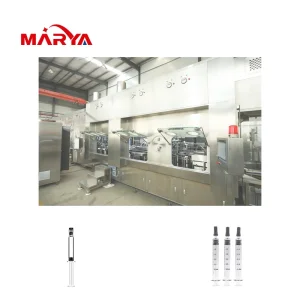
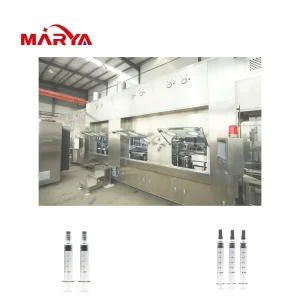
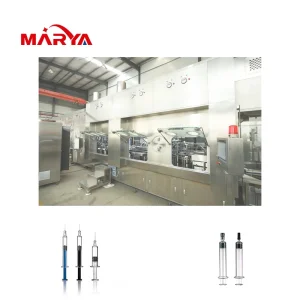
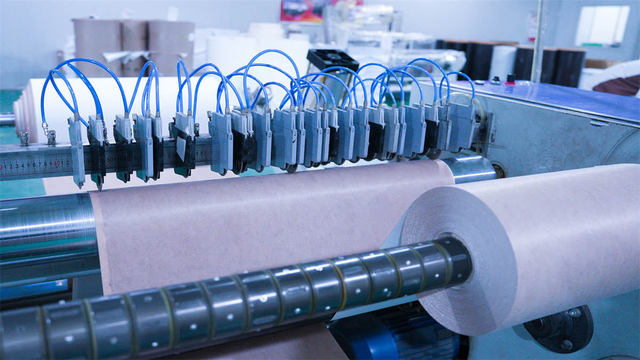
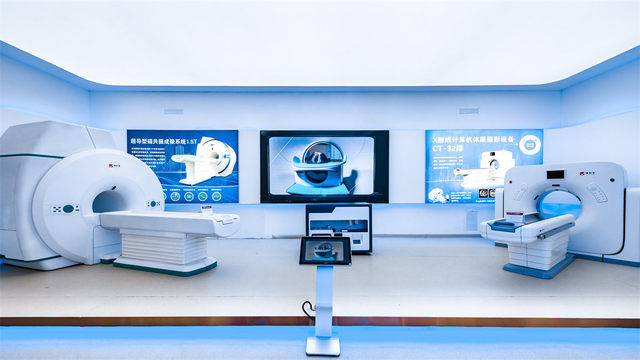
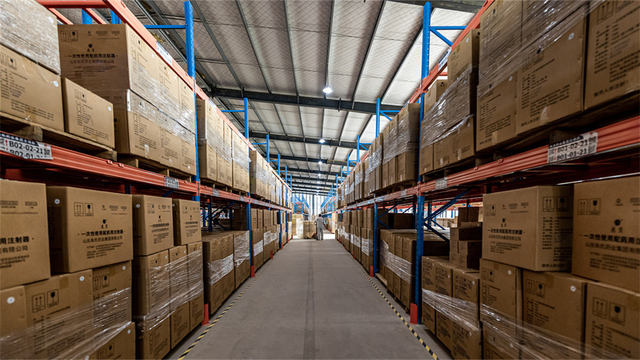
Visual demonstration of our automated assembly, precision injection molding, and quality control departments.
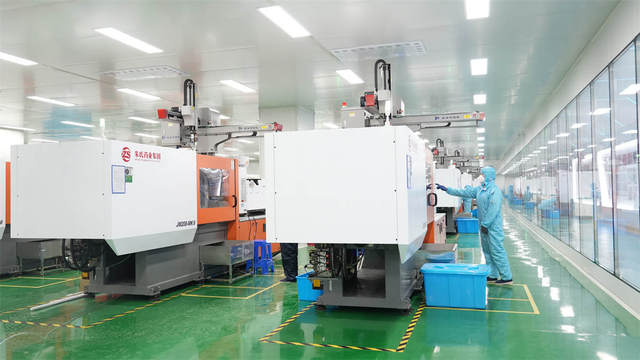
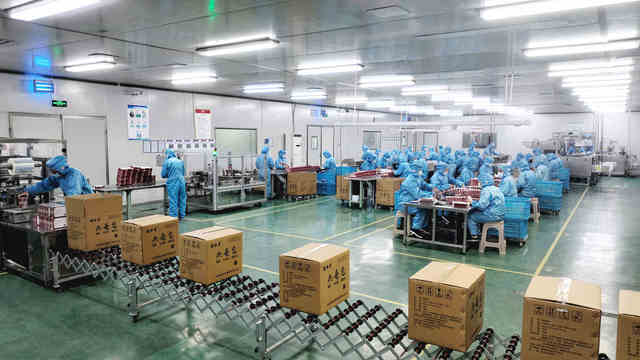
Addressing key questions from B2B buyers regarding engineering standards, cleanroom ratings, validation timelines, and custom production runs.
 JZCare Syringe