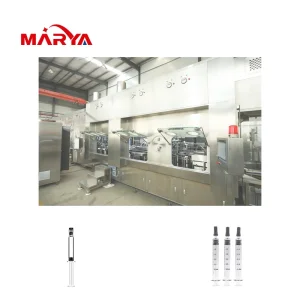
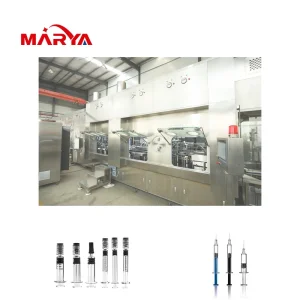
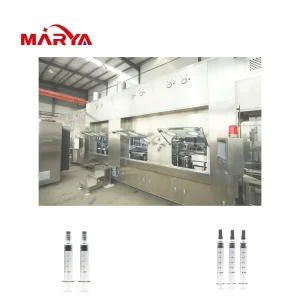
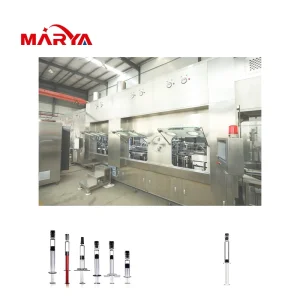
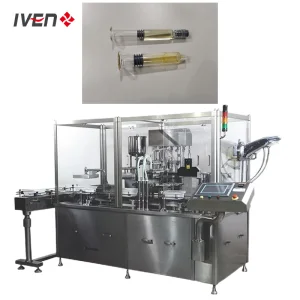
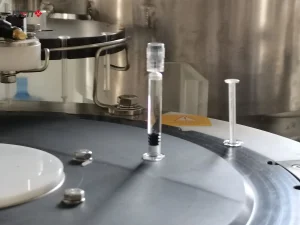
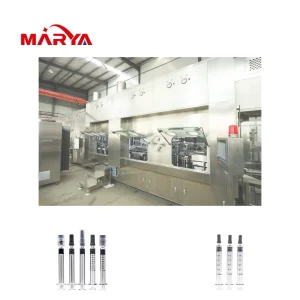
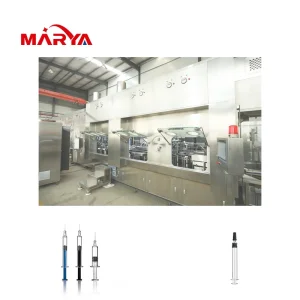
Advanced high-precision engineering configurations tailored for local Hungarian biopharma facilities and R&D laboratories.
Hungary represents one of the most mature and research-driven pharmaceutical markets in Central and Eastern Europe (CEE). With a history spanning over a century, the local pharmaceutical manufacturing ecosystem includes domestic flagships like Gedeon Richter, alongside major multinational hubs operated by Chinoin (Sanofi), Egis, and Teva. As the European pharmaceutical sector transitions toward biological therapeutics, complex oncology formulations, and specialized vaccines, the demand for high-integrity Prefilled Syringe (PFS) Systems has experienced exponential growth.
The shift from traditional ampoules and multi-dose vials to prefilled delivery systems is driven by patient safety, exact dosing precision, and the strict requirements of biological formulations. For drug developers in Hungary, finding a reliable, GMP-compliant manufacturer of prefilled syringe filling lines and sterile medical consumables is essential for maintaining supply chain continuity and meeting strict OGYÉI (Országos Gyógyszerészeti és Élelmezés-egészségügyi Intézet) regulations, which align closely with the European Medicines Agency (EMA) and EU GMP Annex 1 guidelines.
In recent years, the validation criteria for aseptic filling lines within Hungary and the broader EU have become significantly more stringent. The revisions to EU GMP Annex 1 place immense emphasis on Quality Risk Management (QRM) principles and the implementation of a comprehensive Contamination Control Strategy (CCS).
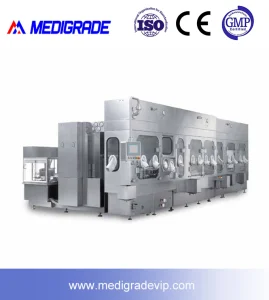
Modern prefilled syringe production lines must utilize advanced isolation barriers (such as Restricted Access Barrier Systems - RABS, or complete Aseptic Isolator systems) to separate human operators from the sterile filling zone. Continuous environmental monitoring, automated clean-in-place (CIP) and sterilize-in-place (SIP) loops, and high-accuracy container closure integrity testing (CCIT) are no longer optional—they are foundational requirements.
A comparative overview of prefilled syringe dosing mechanisms, capacity ranges, and technical architectures for European drug formulation facilities.
| System Model type | Filling Mechanism | Production Capacity (pcs/h) | Applicable Syringe Ranges | Dosing Accuracy | Ideal Drug Formulations |
|---|---|---|---|---|---|
| Nest Type RTU Isolator Line | Peristaltic / Rotary Piston Pump | 2,000 – 8,000 | 0.5ml – 10ml Nest-Ready | ±0.5% (dosing dependent) | Monoclonal Antibodies, Biologics, mRNA |
| High-Speed Aseptic PFS Line | Rotary Piston Pump / Vacuum | 12,000 – 24,000 | 1ml Long – 5ml Standard | ±0.3% to ±1.0% | Hyaluronic Acid, Vaccines, Contrast Media |
| Custom Vacuum Dosing System | Vacuum Filling & Stoppering | 3,000 – 6,000 | 0.5ml – 20ml Customized | ±0.8% | High Viscosity Gels, Suspension Injectables |
| Veterinary / Pilot Scale Line | Peristaltic Pump (Disposable paths) | 1,000 – 3,000 | 1ml – 50ml Dual Chamber | ±1.0% | Small Batch Vaccines, Veterinary Medicine |
Integrating the correct dosing pump technology is crucial. For example, peristaltic pumps utilize single-use product paths, eliminating cross-contamination risks and simplifying clean-in-place validation for Hungarian contract development and manufacturing organizations (CDMOs). Conversely, rotary piston pumps are ideal for high-speed runs of traditional small molecules due to their extreme wear resistance and longevity.
Breaking down the stages of high-end aseptic syringe processing from raw nest handling to secondary packaging.
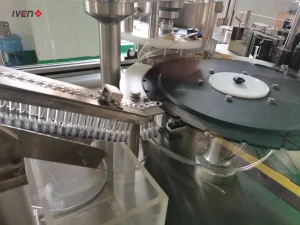
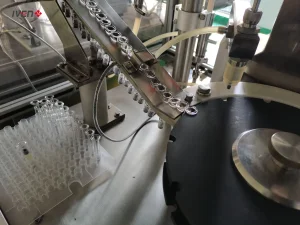
Ready-to-Use (RTU) components are introduced via automated outer-bag peeling and lid-removal modules inside a Grade A laminar flow zone, preventing particulate contamination before primary filling.
To secure chemical stability, oxygen-sensitive biologics undergo pre- and post-nitrogen flushing. Precision servo-driven filling needles descend smoothly, performing bubble-free bottom-up liquid dispensing.
Using mechanical insertion or vacuum-assisted plunger placement, stoppers are sealed with zero friction to eliminate micro-wrinkling. High-voltage leak detection (HVLD) verify container closure integrity.
As globalization transforms the pharmaceutical supply chain, Hungarian manufacturers are increasingly seeking alternative equipment and consumable sourcing options that balance cost-efficiency with high regulatory standards. Partnering with a premier Chinese developer like Hangzhou JZCare Medical Co., Ltd. offers a strategic advantage.
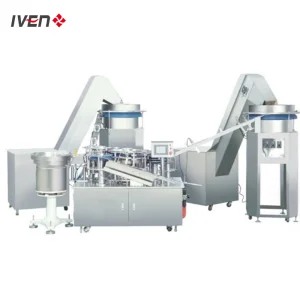
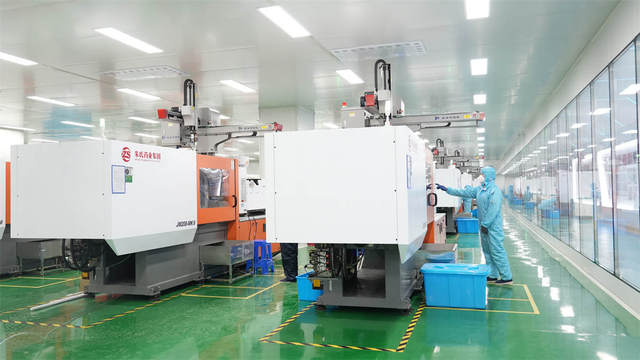
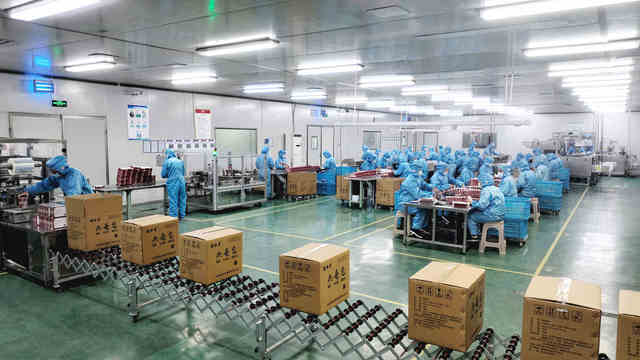
Established in 2011 in Hangzhou, China, JZCare integrates advanced research and development, high-precision injection molding, and large-scale sterile manufacturing. Operating a modern facility of over 26,000 square meters and maintaining a production capacity exceeding 1.5 billion units annually, JZCare offers dual-track benefits: high-quality medical consumables (disposable medical syringes, sterile injection devices) and turnkey engineering integration for complete aseptic prefilled syringe filling lines.
By leveraging state-of-the-art tooling and automated assembly systems developed in China alongside Western European electronic components (such as Siemens PLCs, Bosch-Rexroth drives, and Festo pneumatics), JZCare is able to manufacture high-speed PFS processing machinery at a fraction of the cost of traditional European OEMs, while maintaining full compliance with CE guidelines and GMP standards.
Explore our full range of GMP-compliant aseptic prefilled filling, sealing, and packaging lines configured for the Hungarian pharmaceutical market.
In the biopharmaceutical sector, a filling machine does not operate in isolation. A truly optimized prefilled syringe manufacturing project must integrate upstream process equipment and downstream packaging operations into a unified aseptic environment.
For Hungarian drug producers renovating older facilities or building new cleanrooms, choosing the appropriate barrier system is critical for validation success:
Every machine supplied to Hungary is accompanied by a comprehensive validation document package to support DQ, IQ, OQ, and PQ processes. Software control loops conform to FDA 21 CFR Part 11 and GAMP 5 guidelines, ensuring data integrity, audit trails, and secure user-access levels.
Technical answers regarding local regulatory compliance, installation, and operation of prefilled syringe filling lines in Hungary.
Yes. All our aseptic prefilled syringe filling lines are engineered to meet the latest EU GMP Annex 1 standards. This includes support for integrated Aseptic Isolators or RABS, continuous particle monitoring systems, non-viable/viable environmental sampling ports, and automated VHP (Vaporized Hydrogen Peroxide) sterilization systems.
For sensitive biologics, we strongly recommend our servo-driven peristaltic pump system. This mechanism utilizes gentle compression on medical-grade silicone tubing, preventing high-shear stress on proteins or nucleic acids, and features single-use product contact parts to eliminate cross-contamination risks.
We integrate online High Voltage Leak Detection (HVLD) and vacuum decay testing units. These modules perform 100% non-destructive inspections of the sealed syringes, identifying micro-cracks and plunger seal bypasses down to 1-2 microns.
Absolutely. We provide comprehensive validation documentation (DQ, IQ, OQ, PQ) according to GAMP 5. Our team of specialized engineers supports Factory Acceptance Testing (FAT) in China, followed by on-site installation, commissioning, and Site Acceptance Testing (SAT) at your facility in Hungary.
Yes, our machines are designed for high flexibility. By changing minor format parts (which can be completed in under 30 minutes without tools), a single line can process 0.5ml, 1ml, 2.25ml, 3ml, 5ml, and 10ml syringes packaged in standard nested configurations.
Standard lines generally require 4 to 6 months for engineering, manufacturing, and internal testing. Fully customized systems with integrated isolators and continuous monitoring loops take between 6 to 9 months, including preliminary FAT runs.
Hangzhou JZCare Medical Co., Ltd. is a professional medical consumables manufacturer specializing in disposable medical syringes, sterile injection devices, and high-quality healthcare disposable products for global medical markets. Established in 2011 and located in Hangzhou, China, the company integrates research and development, precision injection molding, automated production, sterilization processing, and global OEM/ODM services.
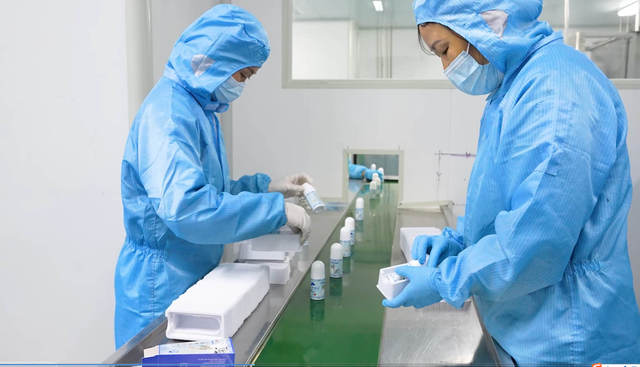
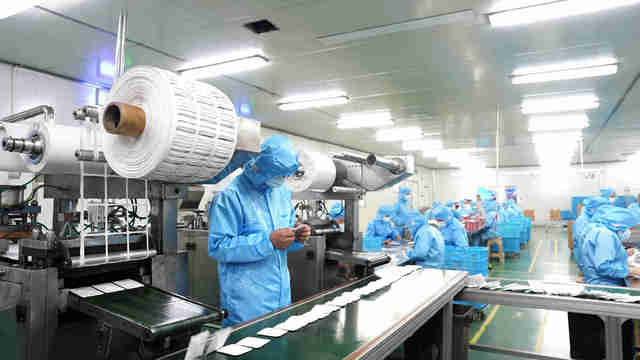
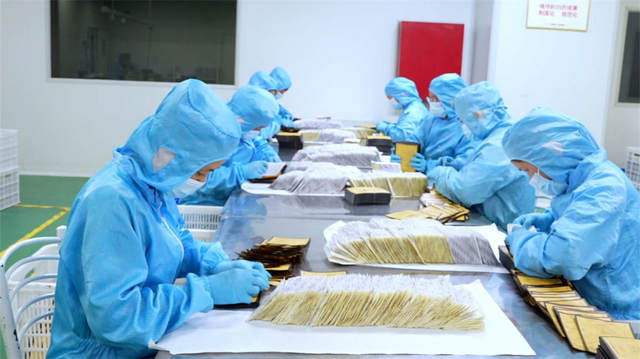
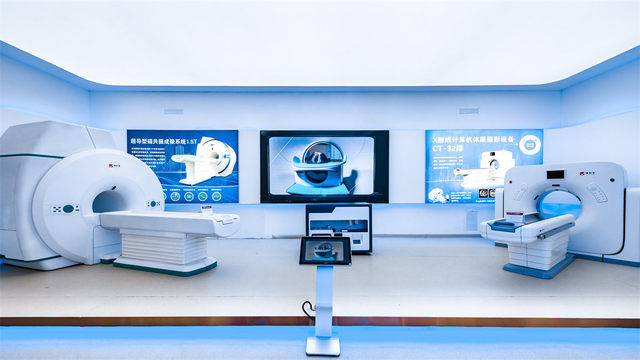
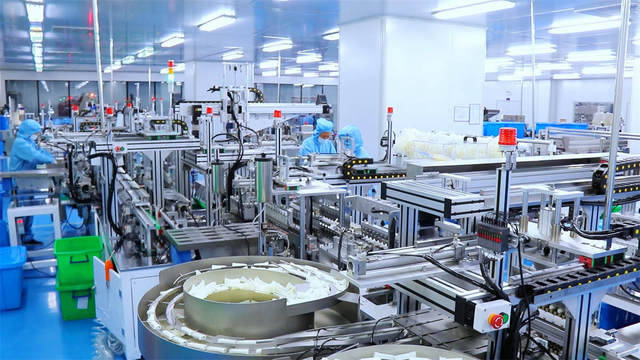
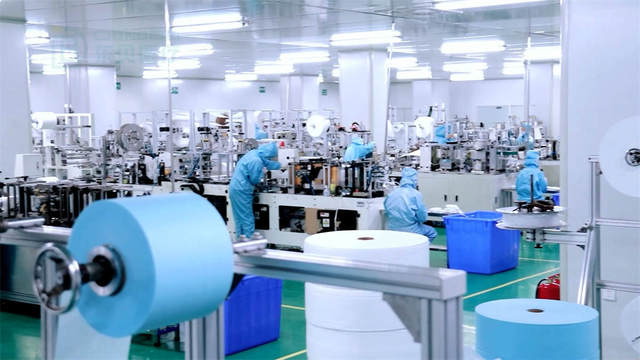
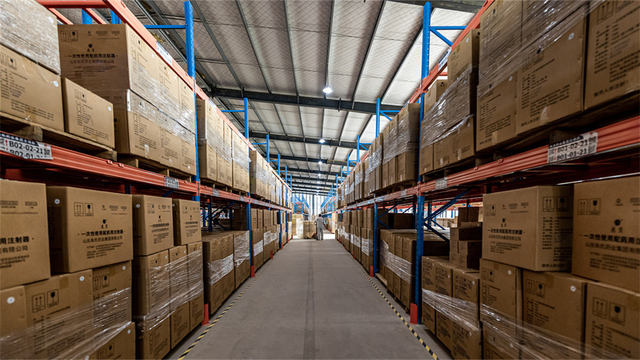
JZCare operates a modern manufacturing facility covering approximately 26,000 square meters with more than 300 employees, including experienced engineers, quality inspectors, and production specialists. The factory is equipped with advanced cleanroom workshops, fully automated assembly lines, and strict quality control systems to ensure product safety, consistency, and compliance with international medical standards. Annual production capacity exceeds 1.5 billion units of disposable medical products, supplying hospitals, clinics, laboratories, and healthcare distributors worldwide.
The company’s core product range includes disposable syringes, hypodermic syringes, safety syringes, insulin syringes, luer lock and luer slip syringes, and various sterile medical injection consumables. By adopting high-precision manufacturing technology, medical-grade materials, and rigorous sterilization processes, JZCare ensures reliable performance and patient safety in every product.
Driven by continuous innovation and global healthcare demand, Hangzhou JZCare Medical Co., Ltd. is committed to providing safe, efficient, and cost-effective medical disposable solutions while maintaining strong partnerships with international clients through stable quality, flexible customization, and professional service support.
 JZCare Syringe